Why I Know Solo Travel Works — Because I Did It
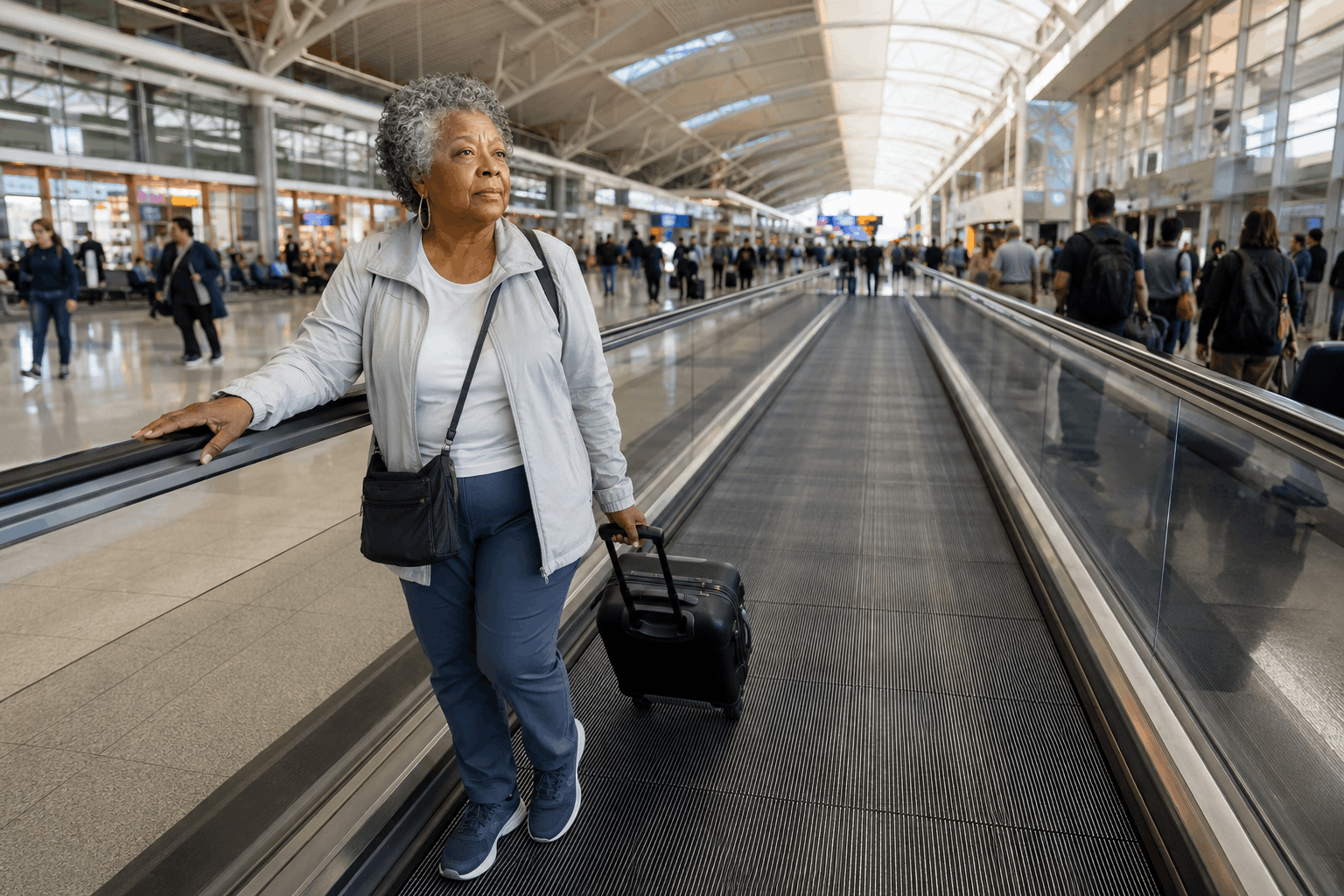
When I made up my mind to leave the US, I didn’t wait for anyone else to be ready too. I started putting my house in order: selling what I didn’t need, getting a health check, buying what I’d actually have to take with me, and watching video after video of other people’s moving-abroad experiences — what to expect, what to prepare for, what nobody warns you about. Once I’d done enough of that homework to feel genuinely comfortable, I didn’t need anyone else’s timeline to match mine. I made the arrangements, and I left.
My first night there, I realized right away that the place I’d rented wasn’t going to work. A few years earlier, that might have rattled me. But I’d watched enough other travelers walk through the exact same situation that it didn’t scare me or make me second-guess the decision to go. I got online that night, found something better, and moved the next morning. I ended up staying there 30 days before moving on to my next stop.
That’s really the whole case for solo travel after 50, in one story: it’s not about having a plan that never breaks. It’s about trusting yourself enough to adjust when it does.
Why Solo Travel Works So Well After 50
Traveling alone isn’t just about sightseeing — it’s about seeing yourself in a new light. For travelers over 50 in particular, solo travel tends to be more rewarding, not less, than earlier in life. Here’s why.
1. Freedom to Choose Your Own Adventure
No compromises, no group votes on where to eat. Solo travel means you set the pace, choose the sights, and follow your own curiosity — which matters more the more clearly you know what you actually want out of a trip.
2. You’ll Meet More People, Not Fewer
This surprises almost everyone: solo travelers are rarely lonely. Small-group tours, home-stays, co-living spaces, and even solo-friendly Facebook groups for your destination all create natural openings to meet people — often more genuinely than when you’re traveling as a pair and default to talking only to each other.
3. Rediscovering Independence
There’s a real confidence boost in figuring out a new transit system, ordering a meal in a language you don’t speak, or navigating an unfamiliar city on your own. Each small success compounds.
4. The Psychological Benefits Are Real
- Boosts confidence — navigating new environments builds self-reliance in a way that sticks.
- Reduces stress — time away from routines and responsibilities gives your nervous system room to actually rest.
- Encourages mindfulness — without someone else’s pace to match, you notice more.
5. It Becomes Your Story
Solo travel gives you a narrative that’s entirely your own — one you’ll carry with you and tell for years, whether that’s over dinner with your kids or to a stranger at a café on the other side of the world.
Top Solo Travel Tips for First-Timers Over 50
1. Start With a Solo-Friendly Destination
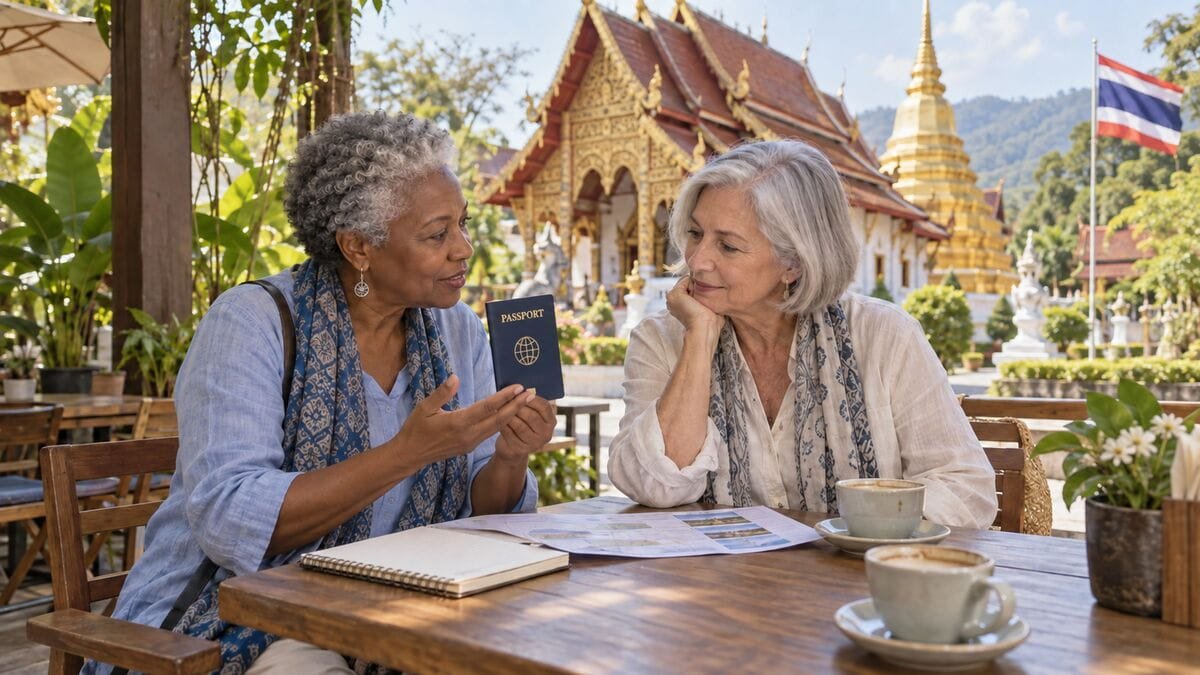
Some places make a first solo trip far easier than others — think reliable infrastructure, friendly locals, and low language barriers. Countries like Ireland, Japan, Portugal, and much of Southeast Asia consistently score well for first-time solo travelers. If you’re weighing the region, I’ve put together a full breakdown of “What older travelers need to know about Southeast Asia” — it’s where I ended up building my own slow travel life, and for good reason.
2. Plan the Skeleton, Leave Room for Spontaneity
Book your flights and your first few nights’ accommodation, then resist the urge to plan every hour after that. Overplanning a solo trip often creates more anxiety than it prevents — and some of the best moments come from the unplanned ones.
3. Safety First — But Don’t Let It Run the Show
- Share your itinerary with a family member or friend.
- Avoid unfamiliar areas at night, especially your first few days in a new place.
- Check current travel advisories before you go — and again a few days before departure.
For a full breakdown, I’ve written up “10 essential safety tips for solo senior travelers” that go well beyond the basics above.
4. Consider Structured Options to Ease In
If going fully independent feels like a big first step, small-group tours, escorted trips, or cruises can bridge the gap — someone else handles logistics while you still get the “I did this myself” feeling of showing up solo. It’s a completely legitimate way to start, not a compromise.
5. Get Comfortable With a Few Key Apps Before You Go
Google Maps, WhatsApp, and a good translation app cover most of what you’ll need day to day. Learn them at home first — the airport gate is not the time to figure out offline maps for the first time.
6. Pack Light, But Pack Smart
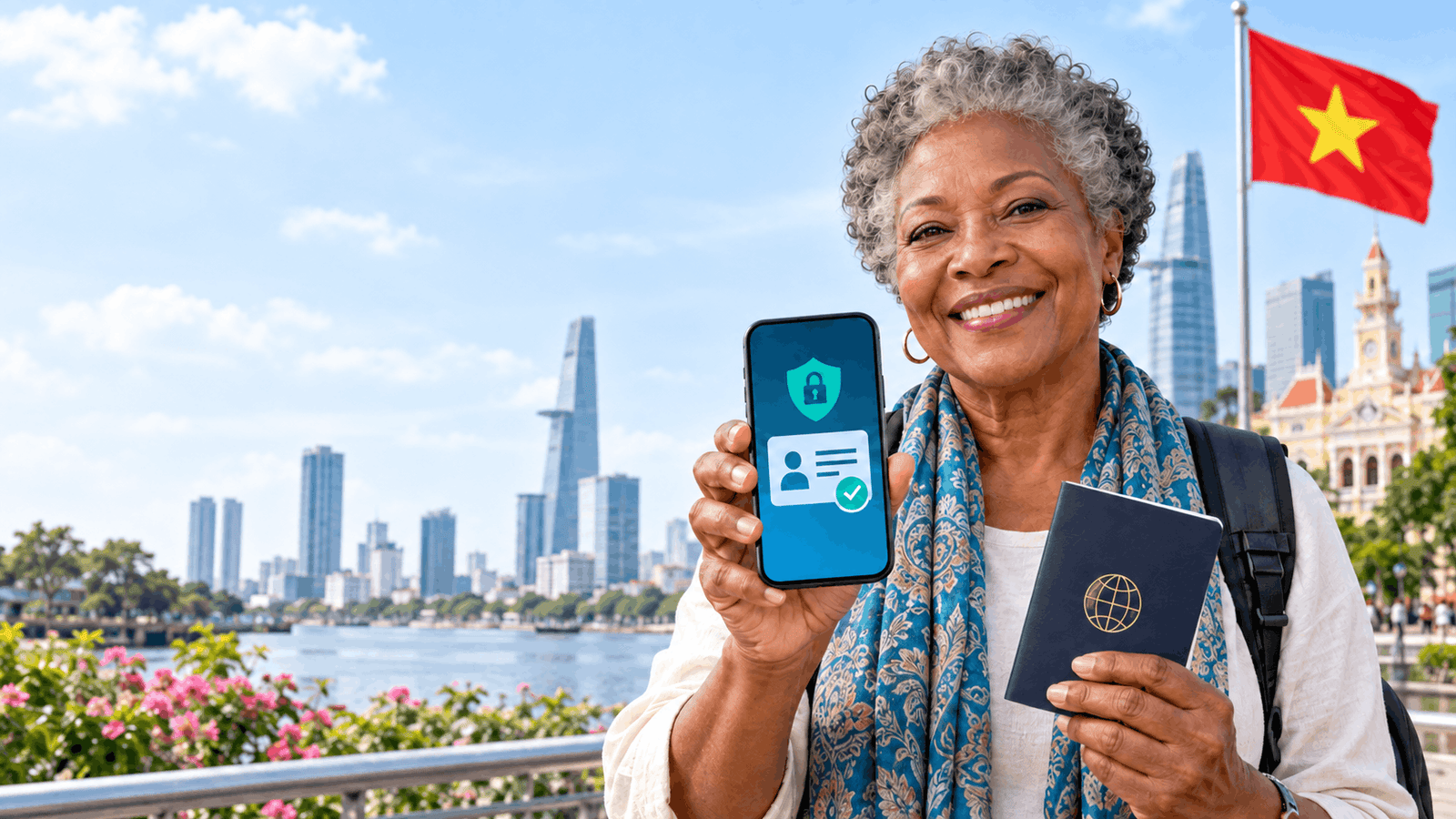
Versatile clothing, all essential medications in your carry-on (never checked), and a secure travel pouch for documents. For a full prep checklist — including what to know about health coverage once you land — see “Why Medicare won’t cover you overseas” and what to do instead.
Overcoming the Fear of Traveling Alone
Even confident travelers get nervous before a first solo trip. Here’s how to work through the most common fears.
Fear of Loneliness
Bring a journal, book a stay with communal spaces, or join a small group activity for part of your trip. Loneliness on a solo trip is far less common than people expect — connection tends to happen naturally when you’re open to it.
Fear of Getting Lost
Modern GPS makes it nearly impossible to stay lost for long. And honestly, some wrong turns turn into the best stories from the whole trip.
Fear of Safety Issues
Trust your instincts, avoid situations that don’t feel right, and always have a basic plan for what you’d do in an emergency — including how you’d get help if something happened while you were away from home for an extended stretch. This becomes even more important if you’re considering a longer stay abroad, not just a vacation.
Budget Concerns
Solo travel doesn’t have to be expensive. If you’re weighing whether your retirement income can realistically support travel or a longer stay abroad, I’ve written specifically about “What to know about living abroad on Social Security” — the budgeting realities are usually more workable than people assume.
Health Concerns
Talk to your doctor before you go, choose destinations with solid healthcare access, and don’t assume your existing coverage travels with you — “Medicare in particular has real gaps overseas“ that catch people off guard.
Solo Travel Ideas Worth Considering
- Solo hiking on well-marked trails or with a guided group — peaceful and genuinely empowering.
- Culinary tours and cooking classes — one of the easiest ways to connect with locals and other travelers.
- Cultural immersion stays — a week in a language-immersion homestay or an extended stay in one place rather than a whirlwind tour (this is where slow travel really shines).
- Volunteer travel — combining purpose with travel, from English teaching to conservation work.
- Small-group or solo-friendly cruises — a lower-stress way to dip a toe in.
If you want the fuller list, I’ve rounded up 13 great getaways for travelers after 60 that work well whether you’re going solo or eventually bringing someone along.
A Real Story: What Solo Travel After 50 Can Actually Look Like
If you want proof this works at any stage of life, Melissa Jensen sold her house and booked a one-way flight — no group, no companion, no perfect plan. Her story is a good reminder that the leap rarely feels fully “ready” beforehand. It rarely does for anyone.
Frequently Asked Questions
Is it safe for a senior to travel alone? Yes, with reasonable precautions. Choosing solo-friendly destinations, sharing your itinerary with someone at home, and staying alert in unfamiliar areas at night addresses most of the real risk. Millions of older travelers go solo every year without incident.
What’s the best first solo trip destination after 60? Look for places with reliable infrastructure, low language barriers, and a strong reputation for welcoming solo travelers — Ireland, Japan, Portugal, and much of Southeast Asia are common recommendations for exactly this reason.
How much does solo travel actually cost? It varies widely, but solo travel doesn’t have to mean paying a “single supplement” premium everywhere. Home-stays, longer slow-travel stays, and destinations with a lower cost of living can make solo travel more affordable than a typical group vacation, not less.
What if I get lonely traveling alone? It happens less than people expect. Small-group activities, home-stays with communal spaces, and solo-travel meetup groups make it easy to have as much or as little company as you want.
Start Your Journey: Take That First Step
Whether you’re booking a flight to Lisbon, planning a hiking trip, or just starting to research where a longer solo chapter abroad might take you — it all starts with one decision: to go.
If you’re seriously considering more than just a solo vacation — a longer stay, or even a move abroad — the Moving Abroad Readiness Guide is a good next step to see where you actually stand.
So, pack your bags. The world is waiting, and your story is ready to be written.