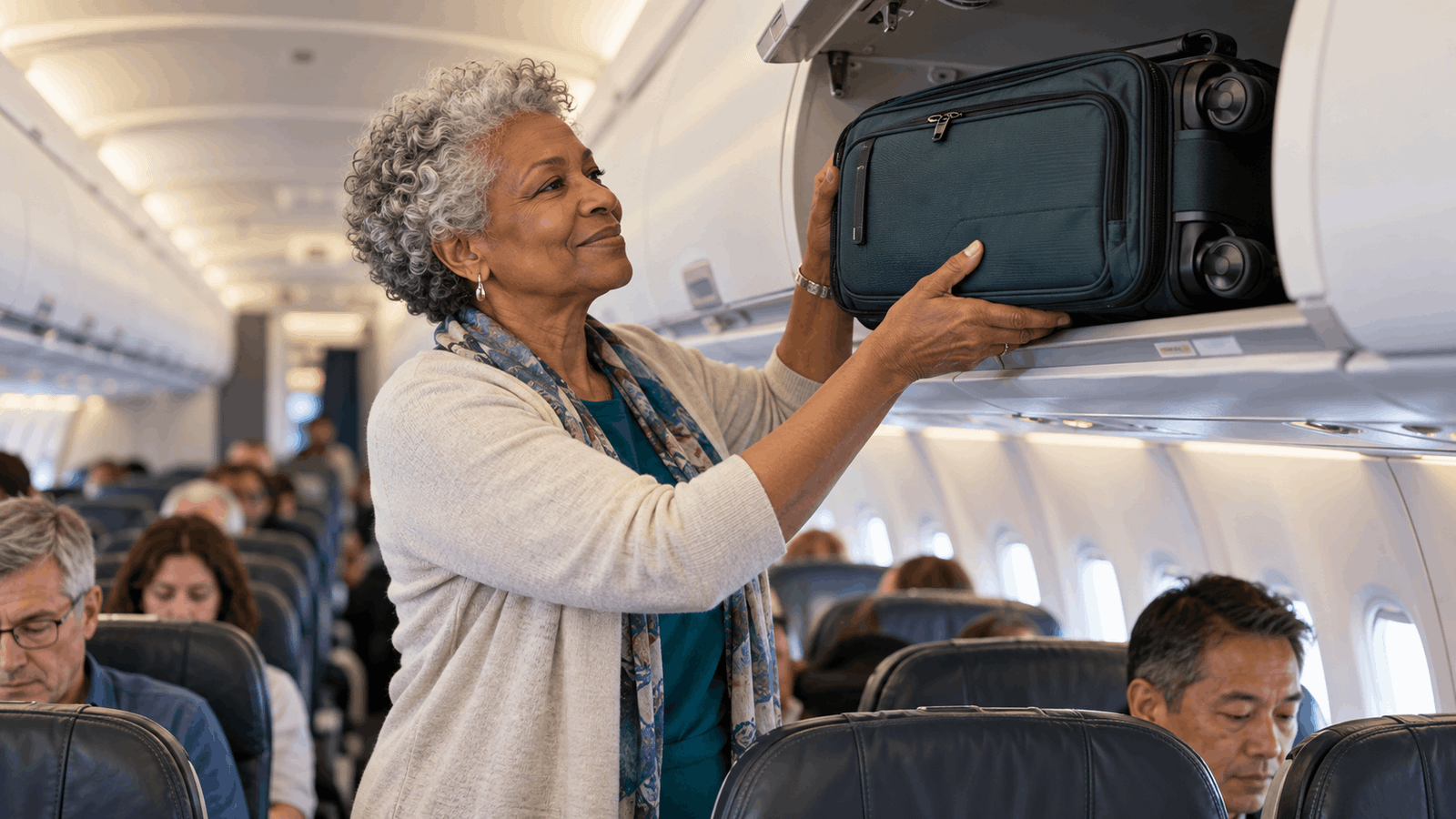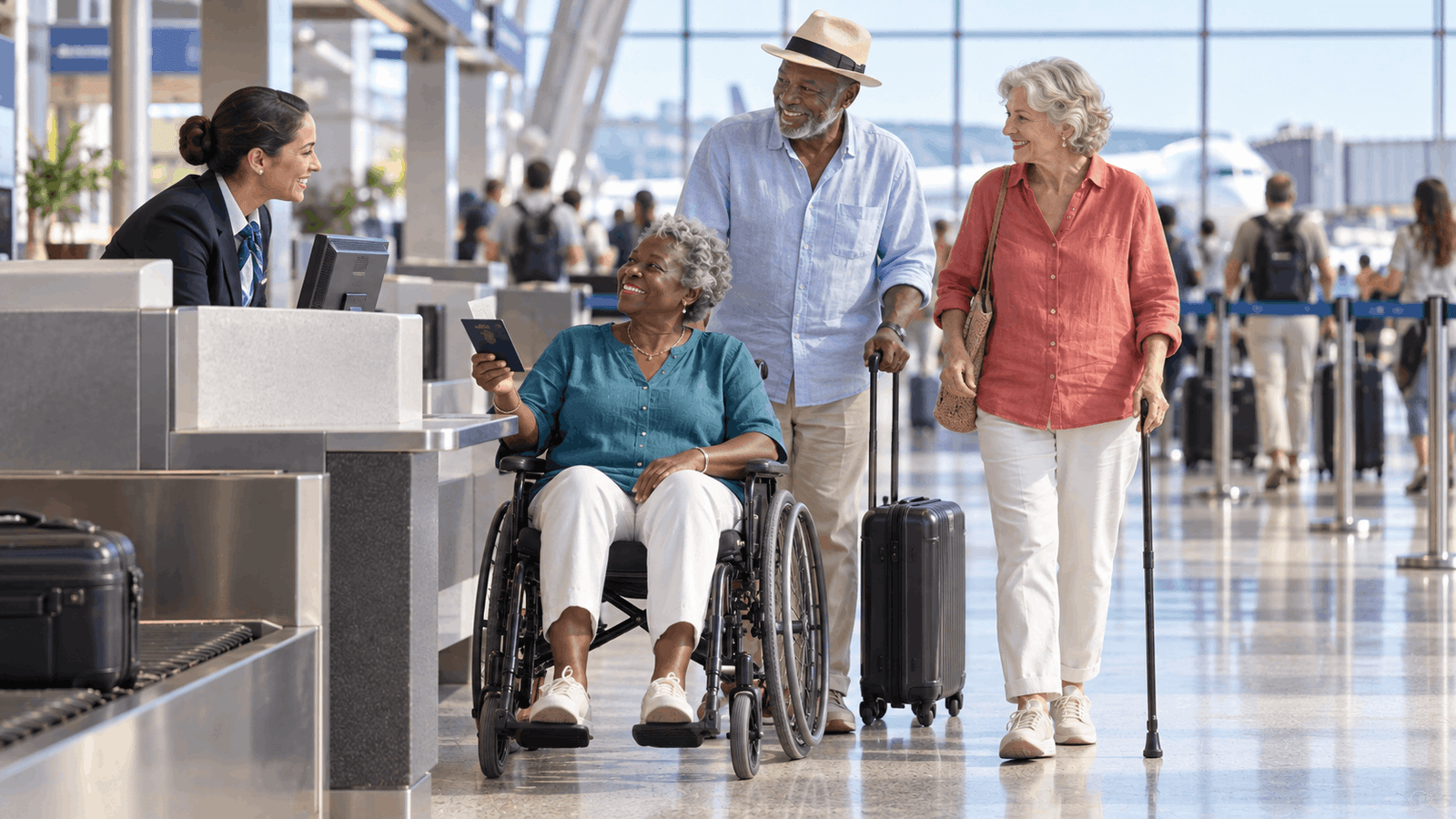
The number of Americans living in Southeast Asia after 50 has grown from about 32,000 in 1990 to nearly 88,000 today — and that number is almost certainly an undercount. Routine dental care costs a fraction of U.S. prices. A comfortable furnished apartment in a major city runs $600–$900 a month. Private hospitals in Bangkok, Kuala Lumpur, and Ho Chi Minh City rival anything you’d find at home. For adults over 50 rethinking where and how they want to live, Southeast Asia has moved from an exotic idea to a genuinely practical one.
But traveling Southeast Asia after 50 means 11 very different countries, and a month in Vietnam feels completely different from a week in Singapore or Bali. That variety is part of the appeal — and exactly why choosing the right destination matters more than trying to see everything at once.
The question is not simply, “Is Southeast Asia good for older travelers?” A better question is, “Which Southeast Asian destination fits my health, mobility, budget, comfort level, and preferred pace?”
Are Americans Welcome in Southeast Asia Right Now?
This is the question many readers are asking, but few travel sites address directly.
The short answer is yes — and the data backs it up. Based on the 2025 Global Peace Index, Vietnam ranks 38th globally, Thailand 46th, and Malaysia 13th — all significantly safer than the United States. Singapore ranks 6th in the world, above virtually every Western nation.
On the ground, Americans are generally received warmly throughout the region. Vietnam, in particular, has a long history of moving past political tension toward pragmatic, friendly engagement with American visitors. The current U.S. political climate generates more anxiety at home than it does hostility abroad in Southeast Asia. That said, staying informed through the U.S. State Department’s destination pages and enrolling in the Smart Traveler Enrollment Program before you go is always wise.
Which Southeast Asian Country Is Best for a First Visit?
There is no single best country, but some destinations may feel more manageable depending on what matters most to you.
Malaysia can be a comfortable introduction to the region. English is widely used in Kuala Lumpur and many popular areas, private healthcare is readily available, and the city has trains, buses, taxis, and ride-hailing services. Penang offers history, food, and a slower atmosphere.
Thailand has well-developed tourism services, private hospitals, popular beach destinations, and a wide range of accommodations. Bangkok provides strong medical care and public transportation but can feel overwhelming. Chiang Mai offers a slower pace — though travelers should research seasonal heat and air-quality concerns before booking. Hua Hin may appeal to those looking for a quieter coastal stay.
Vietnam offers affordable local meals, furnished apartments, café culture, ride-hailing services, and several destinations well-suited to a slower pace. Da Nang and Vũng Tàu appeal to travelers who prefer coastal living; Hanoi and Ho Chi Minh City offer more extensive services. The biggest adjustments are traffic, street crossings, and the difference between local and international medical facilities — all manageable with the right preparation and neighborhood choice.
Singapore is one of the region’s easiest destinations to navigate, with organized public transportation, widespread English, modern infrastructure, and high-quality healthcare. The main drawback is cost. It works well as a short first stop before continuing to a less expensive destination.
Indonesia, especially Bali, remains popular, but the experience varies considerably by location. Sanur tends to be calmer and flatter than Ubud or Canggu. Research your specific neighborhood carefully.
One principle applies everywhere: choose the city and the neighborhood, not just the country. A modern apartment near a hospital and grocery store provides a very different experience from an isolated beach property that looks beautiful in photos.
Can You Get Around Without Riding a Motorbike?
Yes. Renting a scooter is not required.
Grab and other ride-hailing services operate in most major cities, alongside taxis, trains, metros, and private drivers. Availability varies on smaller islands and in rural areas, so before choosing a destination, confirm whether ride-hailing operates in your specific neighborhood, how far the accommodation is from groceries and restaurants, and how you would reach a hospital in an emergency. A cheaper apartment may cost more in the long run if every errand requires hiring a car.
Is Southeast Asia Accessible for Travelers With Mobility Concerns?
Accessibility varies greatly, even within the same city.
Common challenges include uneven sidewalks, high curbs, motorbikes blocking walkways, missing curb cuts, busy street crossings, buildings without elevators, steep temple stairs, wet bathroom floors, and high shower ledges.
Do not rely on the word “accessible” in a property listing. Before booking, ask for photographs or a video showing the building entrance, any steps between the street and lobby, the elevator, the bathroom, and the route from the building to the street. Consider the surrounding neighborhood as carefully as the room itself — a modern accessible apartment does not solve the problem if the surrounding streets are difficult to navigate.
Travelers who use a cane, walker, or wheelchair often find that private drivers and carefully selected accommodations make the experience entirely workable. The goal is not to avoid Southeast Asia, but to plan around the conditions that matter most to your independence and comfort.
What Is Healthcare Like?
Southeast Asia has excellent private hospitals in Singapore, Bangkok, Kuala Lumpur, and several other major cities. Healthcare becomes more limited in smaller towns, rural areas, and on some islands.
Before booking accommodation, locate the nearest private or international hospital, a clinic for routine medical needs, a pharmacy, and an English-speaking provider if that matters to you. Do not assume every clinic can manage a serious emergency.
Original Medicare provides very limited coverage outside the United States. Travel insurance and travel medical insurance are not the same thing — read the policy carefully. Look specifically for emergency medical treatment, medical evacuation coverage, age limitations, and language around pre-existing conditions.
Traveling With Medication
Keep essential medication in your carry-on, bring enough for the full trip plus extra, and carry it in its original labeled packaging with a copy of your prescriptions, a medication list, and emergency contact details. A medication common in the U.S. may have a different name abroad, may not be available in the same dosage, or may be restricted — verify before you travel. The CDC Travelers’ Health destination pages provide country-specific guidance on vaccines, medications, food, and water.
How Much Does a Month in Southeast Asia Cost?
Southeast Asia can be genuinely affordable, but build your budget around your actual comfort level — not backpacker prices.
A comfortable one-bedroom apartment with air conditioning in a well-located neighborhood typically runs $600–$900 per month in cities like Da Nang, Chiang Mai, or Vũng Tàu. Kuala Lumpur and Bangkok run slightly higher; Singapore considerably more. Beyond rent, budget for international and regional flights, electricity and air conditioning, mobile data, transportation, groceries and meals, travel medical insurance, medication and medical appointments, visa or entry fees, and an emergency fund.
Do not assume every Southeast Asian destination is inexpensive. Resort islands, beachfront neighborhoods, and heavily promoted tourist areas can cost considerably more than smaller cities or local neighborhoods.
What Is the Best Time to Visit?
There is no single best season for the entire region. Southeast Asia includes different rainy seasons, dry seasons, typhoon periods, and air-quality patterns — and weather can vary significantly within the same country. Northern Vietnam has a different climate from southern Vietnam; northern Thailand has different seasonal concerns from the southern islands.
Research the specific city for the specific months you plan to visit. Heat and humidity can affect energy, breathing, balance, hydration, and certain medications. Plan outdoor activities during cooler parts of the day, schedule rest periods, and choose accommodation close to the services you use most.
Is Southeast Asia Safe for Solo Women Over 50?
Many women over 50 travel safely throughout Southeast Asia, but popular destinations don’t eliminate the need for ordinary precautions. Use official ride-hailing services, confirm the vehicle before entering, keep your bag away from the traffic side of the street, use ATMs inside banks or shopping centers, and avoid arriving in an unfamiliar neighborhood late at night. Share your itinerary with someone you trust and store digital copies of your passport and insurance.
Is Southeast Asia Right for You?
Southeast Asia may be a good fit if you enjoy cultural differences, warm weather, interesting food, neighborhood life, and a slower, more flexible travel style. It may require more preparation if you need consistent wheelchair accessibility, cannot tolerate heat, depend on specialized medical care, or feel uncomfortable navigating traffic and some language differences.
Your first trip does not have to be a permanent move — or even a tour of the entire region. Choose one manageable destination, stay long enough to settle into a routine, and pay attention to how your body, budget, and comfort level respond.
The best destination for Southeast Asia after 50 travel is not the cheapest or the most famous. It is the one where you can feel safe, supported, curious, and capable of experiencing daily life at your own pace.
Thinking about Southeast Asia but unsure which country, city, or travel pace fits your needs? A Slow Start Strategy Session can help you build a realistic plan around your health, mobility, budget, and long-stay goals.