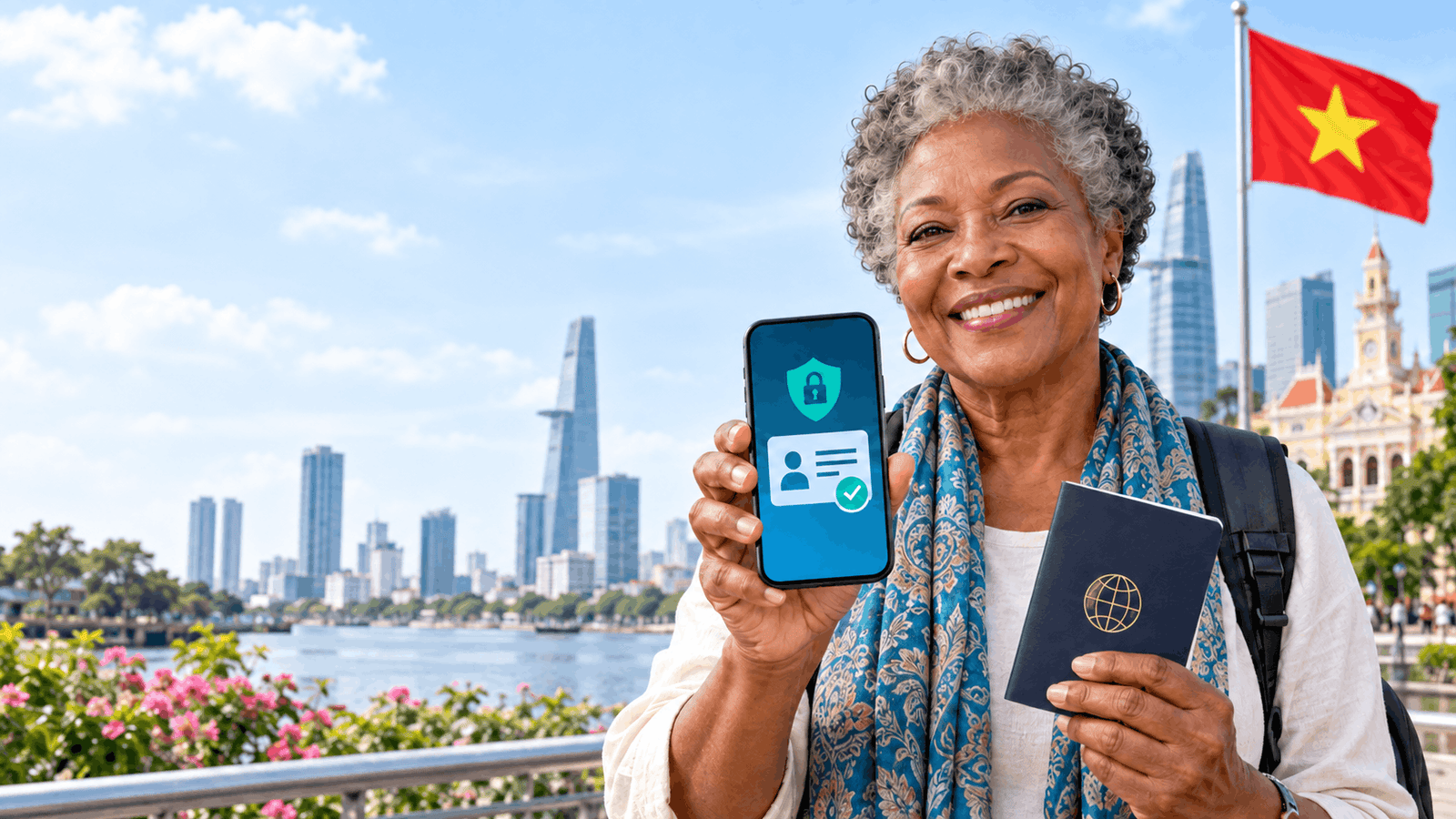
Is Southeast Asia welcoming to Americans right now? While headlines warn of rising anti-American sentiment across Europe, I’ve been living the answer to that question firsthand — 16 months across Vietnam, Thailand, and Malaysia. And here’s what I know: the picture looks very different from this side of the world.
Here’s the fact that put it all in perspective for me: while tracked U.S. bookings for summer travel to Europe have declined, Vietnam has been recording some of its strongest tourism numbers in history.
Vietnam welcomed approximately 10.6 million international visitors during the first five months of 2026—nearly 15% more than during the same period last year. The United States remained one of Vietnam’s ten largest visitor markets.
Visitor numbers alone cannot measure how warmly individual travelers are treated. But they do show that Vietnam is not retreating from international tourism. It is actively expanding it, and American travelers remain part of that growth.
Let that sink in. The world is not uniformly turning its back on Americans. It may only feel that way when the loudest travel conversations center on Europe, political disagreements, tariffs, and international tensions.
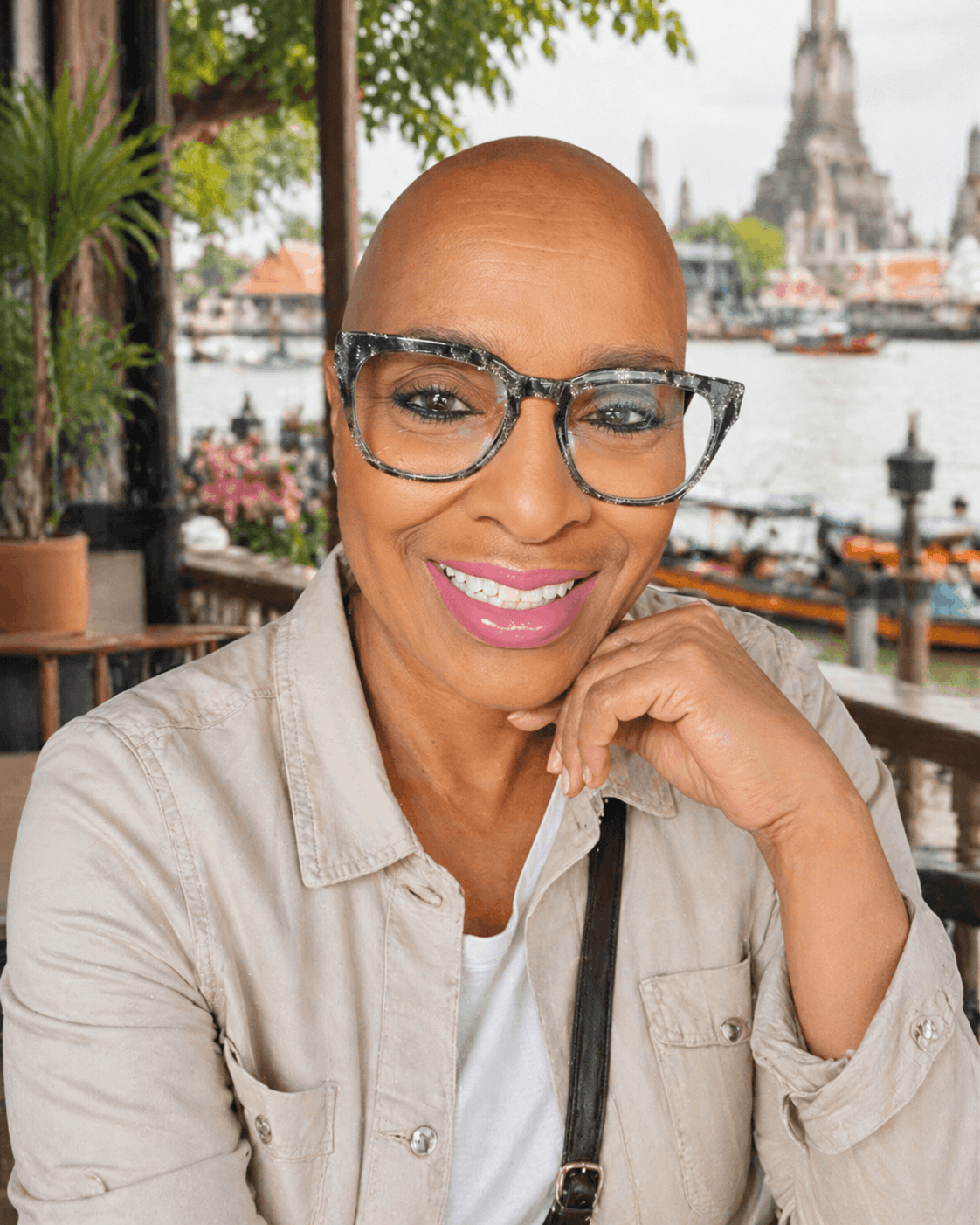
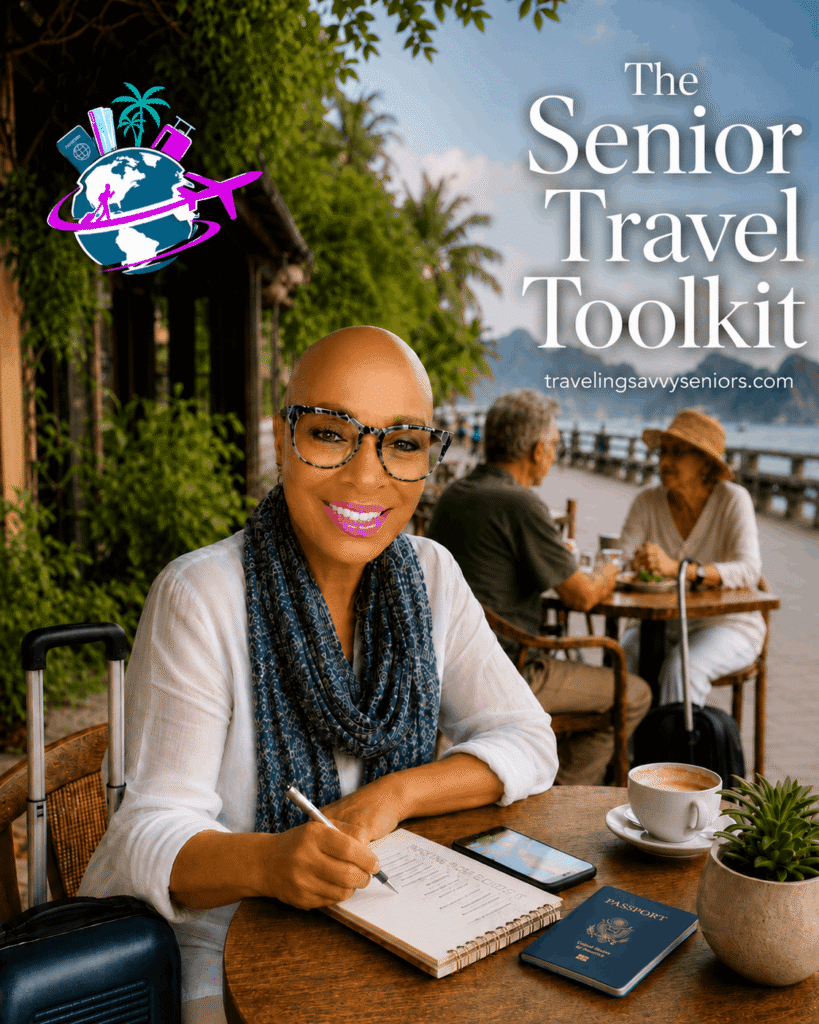
I have been living and slow traveling in Southeast Asia since January 2025—16 months across Vietnam, Thailand, Malaysia, and Cambodia. What I can tell you from daily life on the ground is this: my experience as an American woman over 50 has been almost nothing like the most alarming headlines suggest.
Is Southeast Asia Welcoming to Americans? Here's What the Data Actually Says
Many recent travel stories seem to follow the same theme: Americans are nervous about traveling, political relationships are strained, and public opinion of the United States has fallen in parts of Western Europe.
Some of that concern is understandable. YouGov research has shown that views of the United States and its political leadership have declined sharply in several European countries.
However, negative opinions about U.S. policy do not automatically mean that individual Americans will be treated badly while traveling. They also do not tell us what American travelers can expect in every other part of the world.
Those statistics tell a European story. They do not tell a Southeast Asian one.
Vietnam, Thailand, and Malaysia are not at the center of the same political disputes currently affecting transatlantic relationships. Those issues may appear in the news here, but in my experience, they rarely shape ordinary interactions at cafés, markets, clinics, apartment buildings, or neighborhood businesses.
When I walk into a café in Vung Tau, and someone hears my accent, I do not get raised eyebrows. I get curiosity. Sometimes I get the best table. Often, someone asks where I am from, how long I have been in Vietnam, whether I enjoy the food, or whether they can practice their English with me.
That is what being welcomed has looked like in my everyday life.
So is Southeast Asia welcoming to Americans? In my daily experience, yes — genuinely.
For travelers over 50, feeling welcome involves more than smiles at a hotel desk.
It means being able to ask for directions without feeling like a burden. It means entering a pharmacy, clinic, restaurant, or apartment office and finding someone willing to help, even when you do not share the same language.
It means being treated with patience when you need more time, cannot climb stairs easily, are confused by a transportation system, or must pull out your phone to translate a question.
As a Black American woman living abroad on my own, I also pay attention to whether I can walk through a neighborhood comfortably, return home alone, become a familiar face at local businesses, and ask for assistance without feeling singled out.
In 16 months, I have never felt unwelcome simply because I was American.
Occasionally, someone asks what I think about American politics. Those conversations have been curious rather than confrontational. A brief, respectful answer is usually enough before the subject returns to food, family, travel, or daily life.
Most people are far more interested in asking:
Where are you from?
How long will you stay?
Do you like Vietnam?
Have you tried this food?
The reception has not merely been tolerable. It has generally been warm.
Vietnam’s History Makes the Welcome Even More Meaningful
Vietnam’s relationship with the United States has a painful history. Yet the two countries normalized diplomatic relations, expanded trade, developed educational partnerships, and built a growing tourism relationship.
That history makes the kindness I experience here particularly meaningful.
The people I meet are not pretending the past never happened. But most are also not treating individual Americans as personally responsible for it. The emphasis I encounter is much more often on the present and future.
That decision to move forward shows up in ordinary life: at the market, at the pharmacy, at neighborhood cafés, and in the apartment buildings where foreigners and Vietnamese residents live side by side.
The Numbers Support Southeast Asia’s Openness
Vietnam has set a target of attracting 25 million international visitors in 2026. Tourism officials have promoted the country as a safe and stable destination amid global uncertainty.
Thailand and Malaysia also continue to court international tourists, retirees, remote workers, and qualifying long-stay residents.
Thailand offers several extended-stay options, including a Long-Term Resident Visa with a category for qualifying pensioners. Malaysia operates the Malaysia My Second Home program, commonly called MM2H.
These programs are not accessible to everyone. Some categories require substantial income, fixed deposits, investments, or property purchases. Adults living on modest retirement incomes should never assume that a highly promoted retirement visa will fit their finances.
Still, the existence of these programs reflects a larger reality: several Southeast Asian governments see international long-stay residents as part of their economic future.
They are not building systems to push foreigners away. They are creating pathways—although sometimes expensive ones—to encourage certain visitors to stay longer.
The data confirms what I experience daily: Southeast Asia is welcoming to Americans in ways Europe simply isn’t right now.
Visa requirements and financial thresholds can change. Always confirm the latest eligibility rules through the official government website before applying.
The Practical Reality for Slow Travelers Over 50
The warmth matters, but travelers over 50 also need practical answers. Can you find healthcare? Can you manage without speaking the local language? Is daily life affordable? Can you move around comfortably?
Here is what I have experienced.
Healthcare Is Available, but Location Matters
Major cities and established expat destinations in Vietnam, Thailand, and Malaysia have private hospitals and clinics accustomed to serving international patients.
I have used clinics in Vietnam and found the care efficient, reasonably priced, and easier to access than I expected. English-speaking staff are available at many international and private facilities.
However, healthcare quality, specialist availability, English support, and emergency services can vary considerably by location. A clinic in Ho Chi Minh City, Bangkok, Chiang Mai, or Kuala Lumpur may offer services that are harder to find in rural areas or on smaller islands.
Seniors managing chronic conditions should research actual hospitals, pharmacies, and specialists before choosing a destination—not after becoming ill.
English Is Manageable in the Right Areas
English is not spoken everywhere, and travelers should not expect it to be.
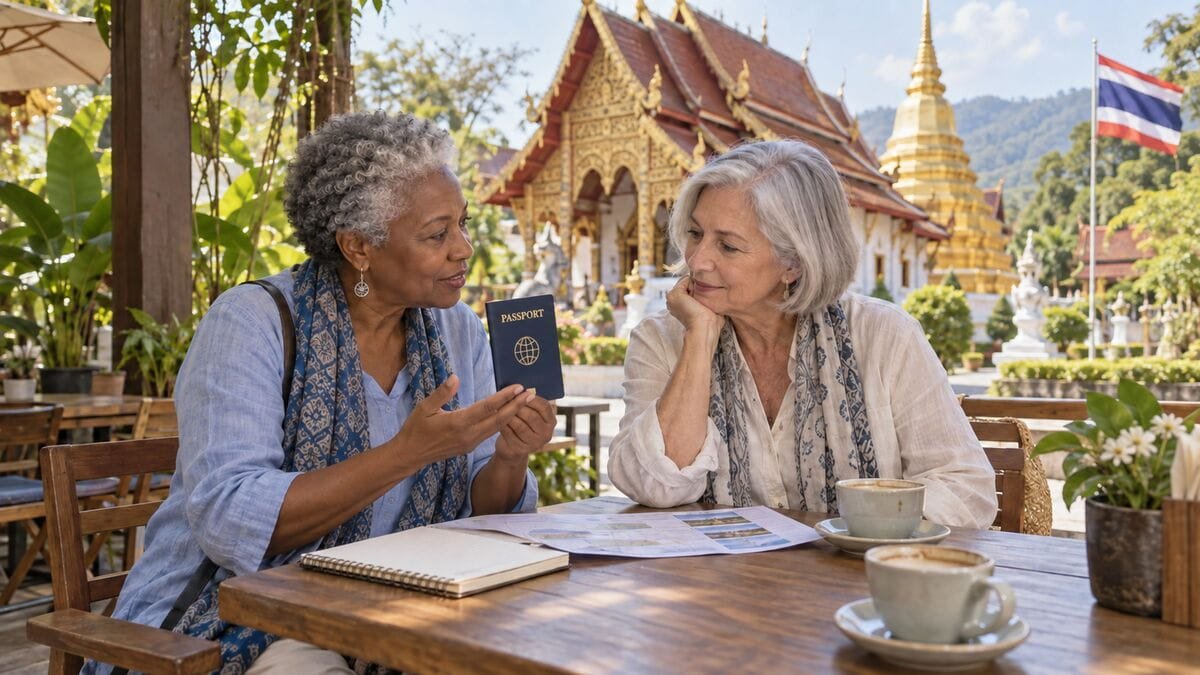
However, in established tourism and expat areas such as Da Nang, Hoi An, Chiang Mai, Penang, and Kuala Lumpur, it is possible to manage everyday life with basic English, translation apps, and a willingness to learn a few local phrases.
Simple gestures, such as saying hello or thank you in the local language, often foster warmer interactions.
Daily Life Can Still Be Affordable
In Vung Tau, I can find satisfying local meals for under $5, and long-term apartment rents can be far below what someone might pay in a mid-sized U.S. city.
Prices vary widely, however. Central Bangkok, Kuala Lumpur, resort islands, Western restaurants, and luxury apartment developments can cost considerably more.
Southeast Asia is not automatically cheap. Your costs depend on the city, neighborhood, housing standard, dining habits, transportation choices, healthcare needs, and visa situation.
The strongest financial advantage often comes from living locally and staying longer—not from trying to recreate an American lifestyle abroad.
Feeling Welcome Does Not Mean Everything Is Easy
Southeast Asia can feel welcoming while still requiring major adjustments.
Traffic can be overwhelming. Sidewalks may be uneven, blocked, or nonexistent. Elevators are not guaranteed, even in buildings with several floors. Tropical heat and humidity can affect energy levels, mobility, medications, and how much walking you can comfortably handle.
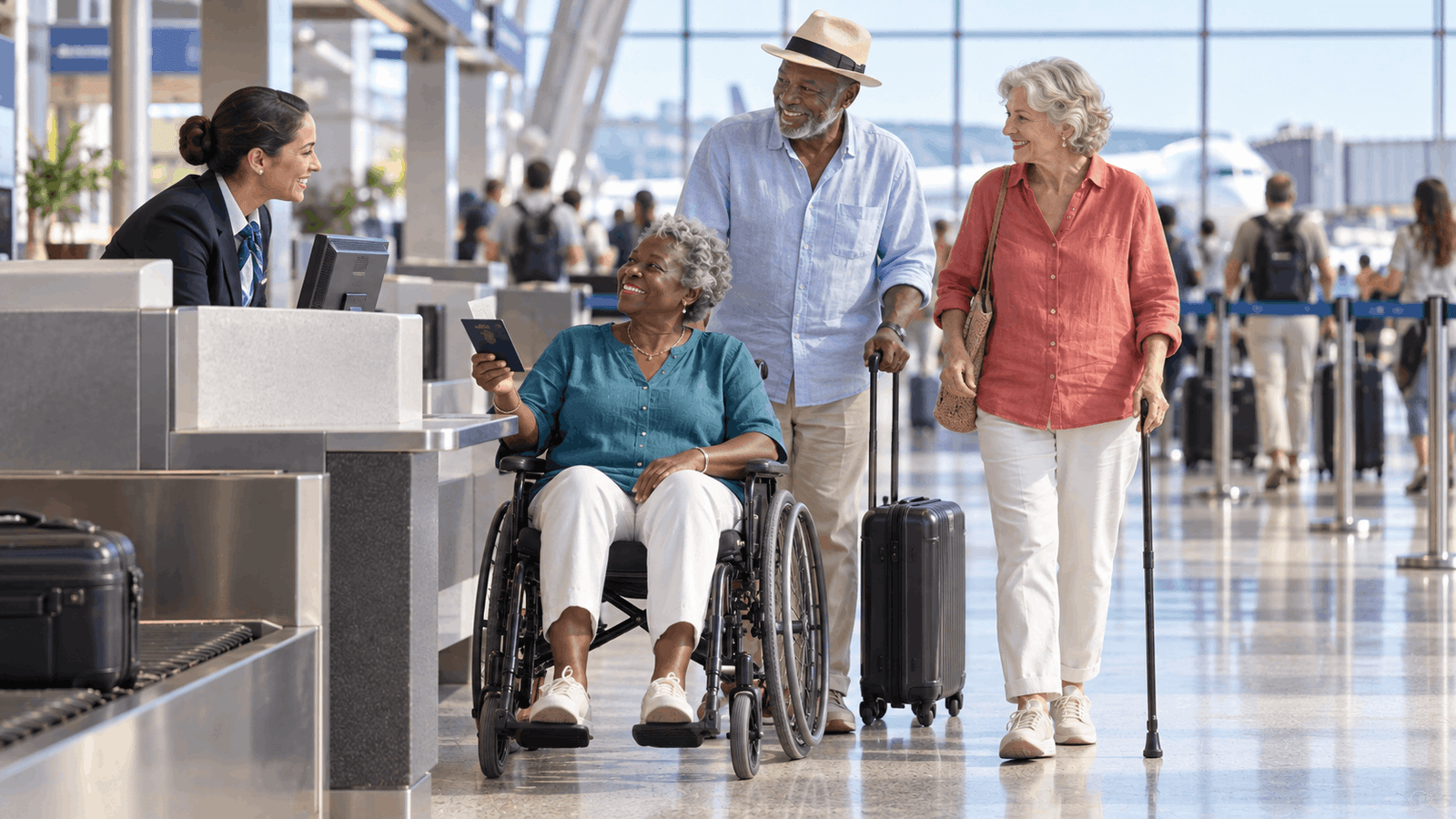
Accessibility standards vary greatly. Someone who needs consistently step-free entrances, accessible bathrooms, smooth sidewalks, or dependable wheelchair transportation must carefully research individual hotels, buildings, and neighborhoods.
There can also be language barriers, tourist pricing, scams, complicated visa rules, and long flights from the United States.
The difference is that these challenges have generally felt logistical to me—not personal. I have had to adjust, ask questions, use translation tools, and learn how things work. But I have not felt that my nationality made me an unwanted guest.
Who May Feel at Home in Southeast Asia?
Southeast Asia may be a good fit if you value warm weather, affordable local food, community-oriented cultures, slower daily routines, and the opportunity to experience something different from life in the United States.
It may work especially well for travelers willing to stay long enough to develop routines instead of rushing through a packed itinerary.
It may be less comfortable if you need highly consistent accessibility, dislike tropical weather, struggle with long flights, or expect everyday systems to operate exactly as they do at home.
That does not mean you should rule out the region. It means you should test it before making a permanent commitment.
Spend two to four weeks in one location. Shop for groceries. Use local transportation. Visit a pharmacy. Walk the neighborhood in the morning and evening. Pay attention to traffic, hills, sidewalks, heat, noise, and access to healthcare.
A vacation can show you the attractions. A trial stay shows you whether daily life fits.
If you are Still Wondering, Is Southeast Asia Welcoming to Americans?
I understand the hesitation. The headlines are loud, the world feels unsettled, and Southeast Asia can seem unfamiliar or intimidating to Americans who did not grow up traveling here.
But after 16 months, this is what I know: the fear of coming is often harder than the reality of being here.
The people who say, “I could never do that,” are sometimes the same people who begin a slow-travel experience and later wonder why they waited so long.
Southeast Asia will not be the right fit for everyone. No region is. But American travelers over 50 should not dismiss it because of political headlines centered on another part of the world.
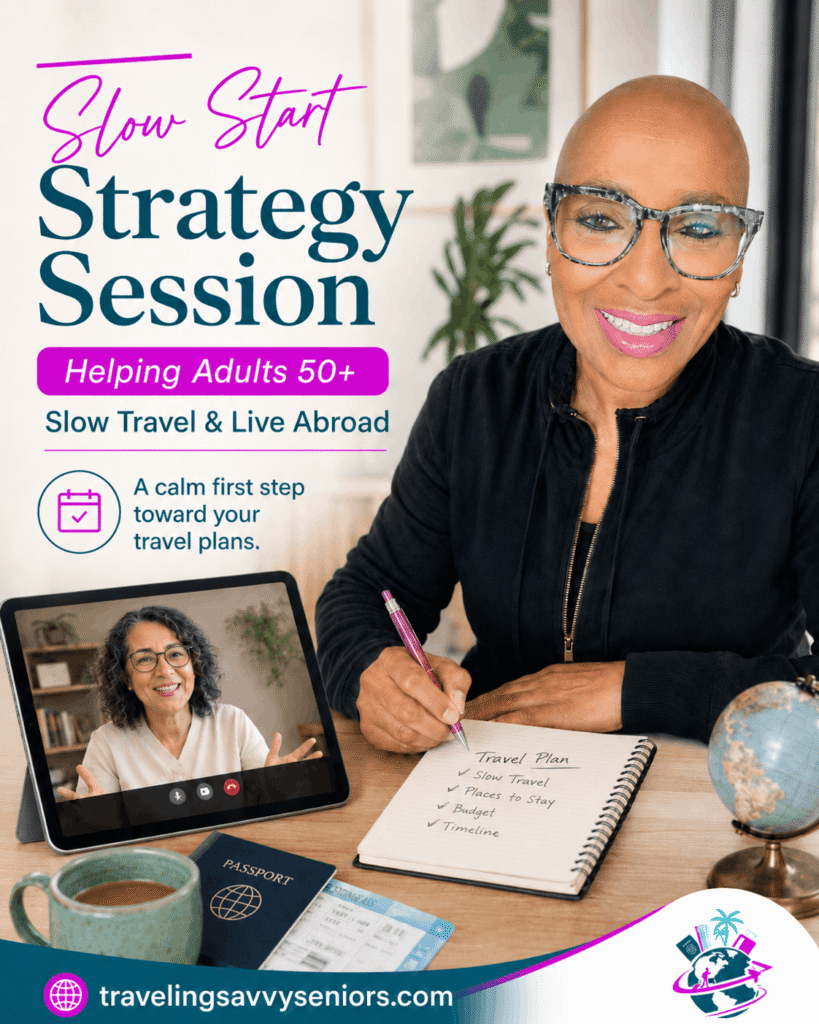
If you want to think through your health, budget, timeline, mobility, and travel goals before committing, the Slow Start Strategy Session was created for that purpose.
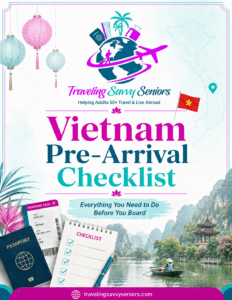
If you’re still wondering whether Southeast Asia is welcoming to Americans like you — over 50, traveling solo, managing health considerations, download the free Vietnam Pre-Arrival Checklist. It covers the e-visa process, banking, phone service, packing, arrival planning, and some of the details travelers often do not discover until they are already here. If you want to talk and plan your Southeast Asia trip, book a Slow Start Strategy Session and start your travel journey today.
The world is still very much open to you.
Some parts of it are even rolling out the welcome mat.
Southeast Asia is one of them.