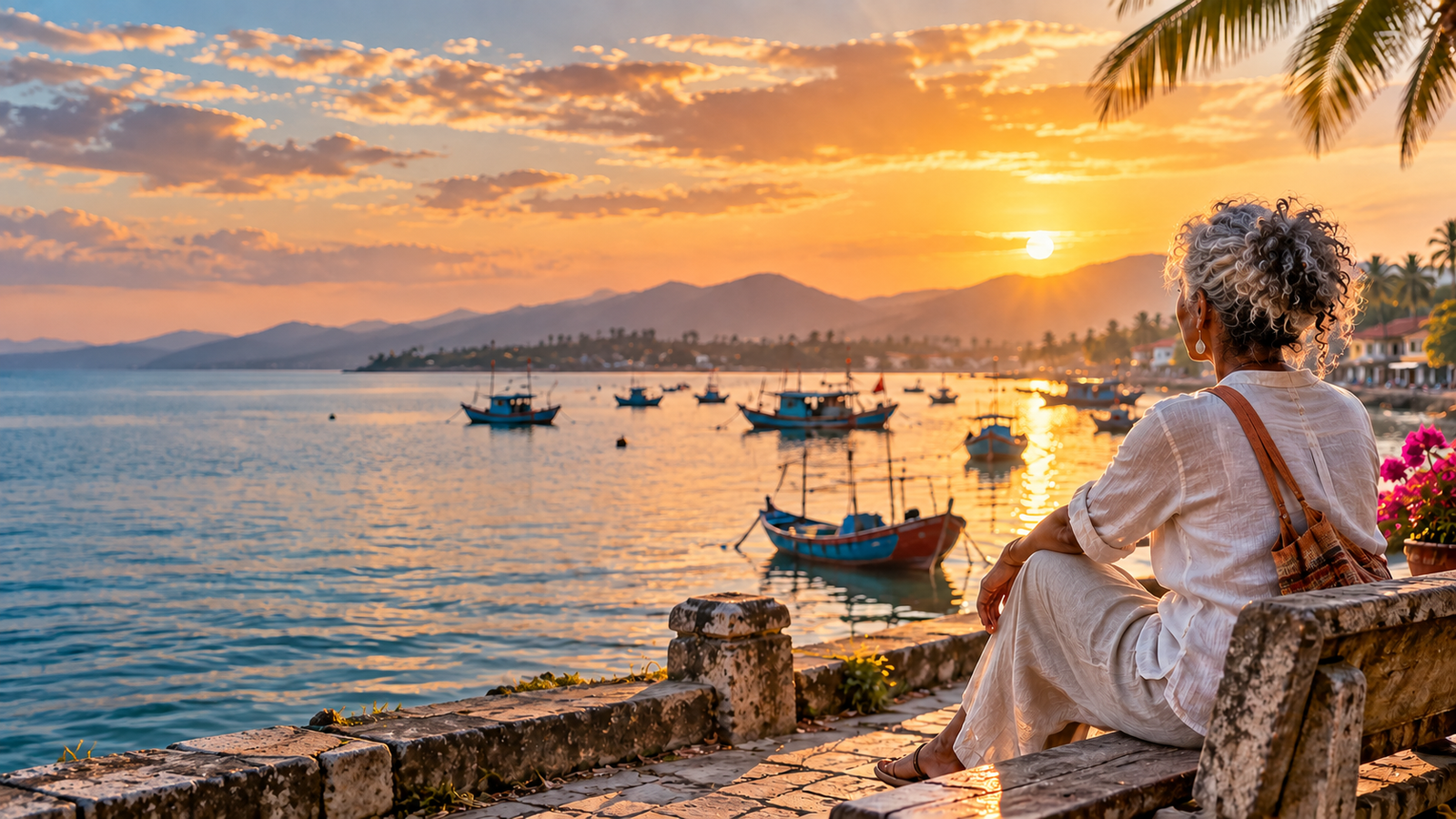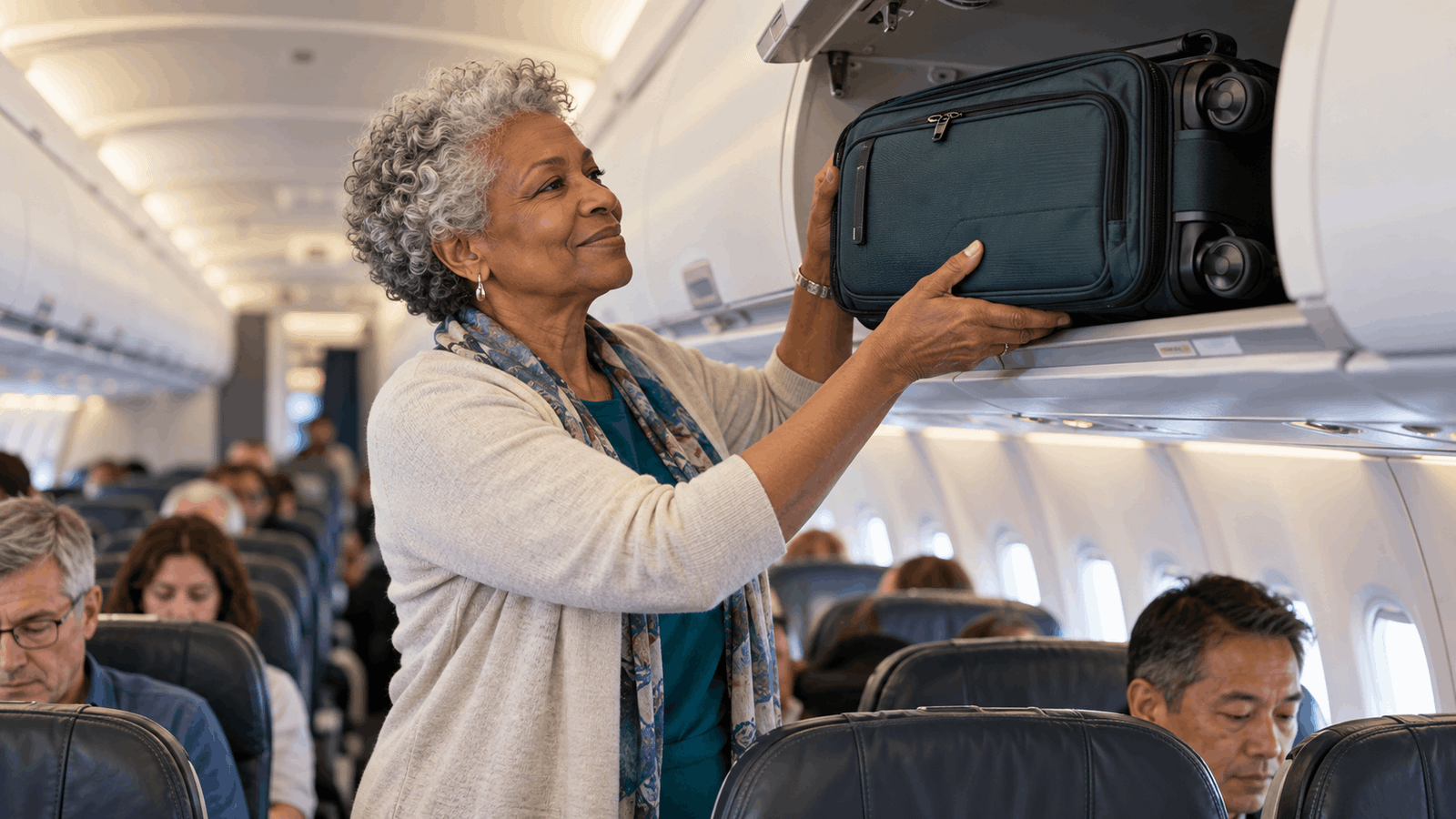
Here’s the page most people skip: the one that tells you what living abroad after 50 actually looks like once you get there.
Living abroad after 50 is one of the most expansive decisions a person can make — and one of the most disorienting if you’re not prepared for what comes after you land. According to a 2023 report from International Living, more than 1.5 million Americans are currently living abroad, with adults over 50 as the fastest-growing segment. They’re not running away from something. They’re running toward lower costs, better healthcare access, a slower pace, and quite often, a version of themselves they haven’t yet met.
But here’s what the glossy expat magazines don’t always show you: the first 30 to 90 days abroad can be genuinely hard. Not dangerous-hard. Just disorienting-hard. The kind of hard where you’re sitting in a beautiful apartment in a city you’ve dreamed about for years, and you can’t figure out how to get a SIM card or find a doctor who speaks English — and you feel, quietly, like maybe you made a mistake.
You didn’t make a mistake. You just didn’t have a checklist.
That’s what this is.
“The world is a book, and those who do not travel read only one page.” — Saint Augustine
What a "Soft Landing" Actually Means
A soft landing isn’t about luxury. It’s about structure. It means arriving in your new country with enough scaffolding in place to actually enjoy the experience, rather than just survive it. It’s the difference between feeling like a tourist who overstayed their visa and feeling like someone who lives here.
I’ve done this multiple times now — Chiang Mai, Thailand, Kuala Lumpur, Malaysia, Phnom Penh and Sihanoukville, Cambodia, Da Nang, Hanoi, Ho Chi Minh City, Da Lat, and now Vung Tau, Vietnam. Each move taught me something new. This checklist is the distillation of it all. Each move taught me something new about what it really means to be living abroad after 50 — not visiting, but actually living.
📋 Want to save this for later? Grab the free Moving Abroad Checklist — a printable, destination-ready version of everything in this post, formatted so you can work through it step by step before you go.
Before You Go: The Foundation Work
A soft landing starts at home, weeks or months before your flight.
✅ Get your documents in order — and then some.
Your passport should have at least six months of validity beyond your planned departure date. Many countries will turn you away at the border if it doesn’t. Get certified copies of your birth certificate, and if you’re married or divorced, carry those documents too. Some countries require them for long-stay visas or local banking.
Carry both physical and digital copies of everything. Store digital copies in a secure cloud folder and share access with one trusted person back home.
✅ Understand your visa situation before you book.
This is the single most common mistake I see. People book flights and accommodations before they know what visa they’re eligible for — and some visa types can take 60 to 90 days to process. Research whether your destination country offers a tourist visa on arrival, a digital nomad visa, a long-stay retirement visa, or a specific expat pathway. Requirements change. Don’t rely on a blog post from 2021.
If you want the research done for you — current visa options, cost-of-living data, healthcare access, safety considerations, and expat community presence for your specific destination — that’s exactly what my Know Before You Go Report covers. It’s a personalized PDF research brief ($197) built around where you’re actually going and what matters to you, so you can make your decision with real information instead of hoping the internet has the latest answer.

✅ Sort out your banking before you leave.
Open an account with a bank that doesn’t charge international ATM fees — Charles Schwab and Wise are popular with American expats. Set up a Wise account for international transfers — the exchange rates are fair and the fees are transparent, which matters when you’re moving money regularly. Notify your current bank of your travel dates so your card isn’t flagged and frozen on day two. Carry some local currency in cash when you arrive. ATMs in some countries are unreliable in international airports.
✅ Arrange your health coverage.
Medicare does not cover you abroad. Full stop. Research international health insurance options — SafetyWing is a popular and affordable entry point for longer-term travelers, while Cigna Global and Allianz Care offer more comprehensive coverage. If you take prescription medications, bring a 90-day supply when possible and carry documentation from your doctor listing them by their generic names. Brand names vary by country.
✅ Set up mail and bill management at home.
Someone needs to collect your mail, or you need a mail forwarding service. Set as many bills as possible to auto-pay. Notify Social Security, your bank, and any government agencies of your updated mailing address or your plan for receiving correspondence. Don’t leave this until the week before you go.
The First 72 Hours: Stabilize Before You Explore
When you land, resist the urge to immediately do all the things. Your nervous system just crossed multiple time zones and cultural contexts. Give yourself a beat.
✅ Secure your connectivity.
Before you arrive — or within the first 24 hours — make sure you have reliable phone data. A local SIM card is often inexpensive and easy to get in many parts of Southeast Asia, either at the airport or a nearby mobile shop. But for convenience, especially after a long flight, an eSIM can be even easier because you can set it up before you leave home and have data ready as soon as you land. Having immediate connectivity means you can use maps, translation apps, ride-share services, messaging apps, and emergency contacts without depending on public Wi-Fi. I also recommend using a trusted VPN, especially when logging into email, banking apps, travel accounts, or personal websites while abroad. It adds an extra layer of privacy and security when you’re using hotel, café, airport, or shared Wi-Fi networks.
✅ Learn your immediate neighborhood.
Before you venture far, walk a two to three-block radius from your accommodation. Find: the nearest pharmacy, a grocery store or market, a place to eat, and a landmark you can use to orient yourself. This sounds small. It isn’t. Knowing where to get paracetamol at 10 PM on a Tuesday is the kind of practical knowledge that makes a place feel livable.
✅ Locate the nearest clinic or hospital.
You probably won’t need it. But knowing where it is — and whether they have English-speaking staff — removes a significant source of background anxiety. Ask your accommodation host or landlord. Look it up on Google Maps. Save it in your phone. Done.
✅ Get cash from a local ATM, not a currency exchange booth.
Airport currency exchange rates are notoriously poor. Use a local ATM as soon as you’re settled, ideally one attached to a major bank. Withdraw enough to cover your first week of expenses without being dependent on finding another ATM immediately.
The First 30 Days: Build Your Infrastructure
This is the work that transforms a visit into a life — and where life abroad after 50 really begins to take shape.
✅ Open a local bank account, if possible.
This isn’t always straightforward for expats, and requirements vary by country. Some countries require a local address, a valid visa, and proof of income. Others are more accessible. Having a local account makes paying rent, utilities, and local services dramatically easier than relying entirely on international transfers.
✅ Establish your housing situation with clarity.
Get your lease or rental agreement in writing, even if the culture is informal about it. Understand which utilities are included, the repair process, and your point of contact. Take photos of the property — every room, every wall, every appliance — on your move-in day. This protects your deposit.
If you want someone to physically check out neighborhoods, meet landlords, and vet properties before you commit to a lease from thousands of miles away, my Boots on the Ground scouting service was built for exactly that. I’ve navigated housing markets across multiple cities in Southeast Asia — I know what to look for, and more importantly, what to avoid.
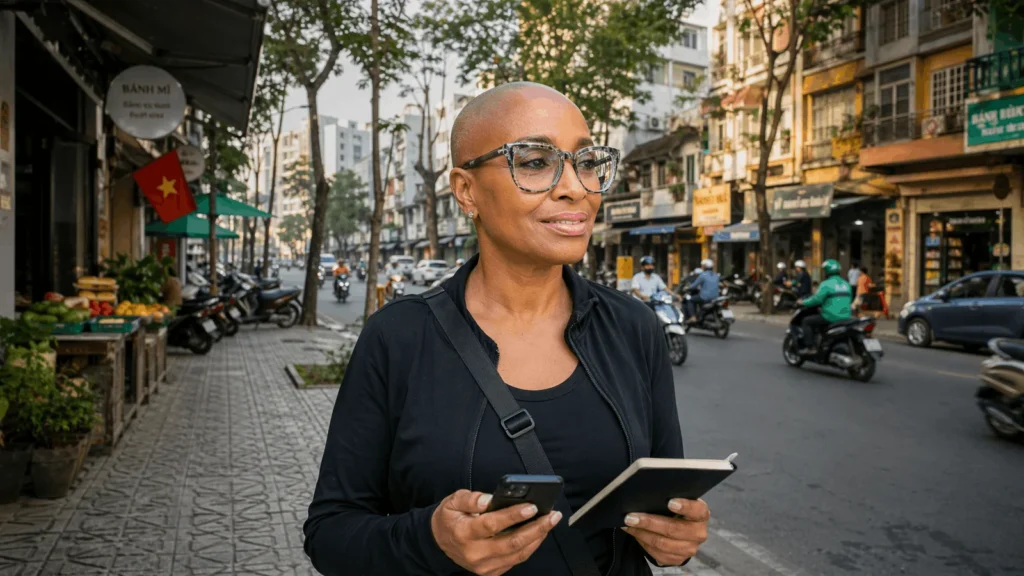
✅ Register with the U.S. Embassy.
The Smart Traveler Enrollment Program (STEP) is free and takes ten minutes. It means the nearest U.S. Embassy knows you’re in the country and can reach you in the event of a natural disaster, civil unrest, or family emergency. It also means you receive security alerts for your area. There is no downside to doing this.
✅ Identify your healthcare providers.
Find a general practitioner and a dentist. In many popular expat destinations — Vietnam, Thailand, Mexico, Portugal — quality medical and dental care is accessible and affordable, often a fraction of U.S. prices. Establish yourself with a doctor early, before you need one urgently.
✅ Find your community.
This one matters more than people expect. Loneliness is one of the most underreported challenges of expat life after 50, especially in the early months. Look for expat Facebook groups in your city, local language classes, walking groups, book clubs, and volunteer opportunities. In most destinations with a significant expat population, there are organized meetups — you just have to show up once.
💛 Traveling with a partner, friend, or family member? Download the free Travel Companion Agreement — a simple, thoughtful guide for getting aligned on expectations, logistics, and communication before you go. It prevents more friction than you’d expect.
✅ Learn a few phrases in the local language.
You don’t need fluency. You need enough to be polite and to show locals that you’re making an effort. “Hello,” “thank you,” “excuse me,” “how much does this cost,” and “I don’t understand” will take you a long way. People respond warmly to the attempt.
Ongoing: The Mindset of the Soft Lander
Beyond the checklist, there’s a mindset that makes living abroad after 50 genuinely sustainable — not just survivable.
Release the timeline. Adjustment takes longer than most people expect. Three months is often when things start to feel genuinely comfortable. Six months is when you start to feel at home. Give yourself permission to still be figuring things out.
Stay curious instead of comparative. The hardest expats I’ve met are the ones who spend their energy cataloging what’s worse about their new country than back home. The happiest are the ones who approach differences with genuine curiosity. Both groups are living in the same place. Their experience couldn’t be more different.
Build routines early. A morning walk on the same route. A coffee at the same café. A weekly call with family. Routines create a container for novelty, making it enjoyable rather than overwhelming.
📖 If the philosophy of this kind of life resonates as much as the logistics, my book The Slow Path to Wellness: How Slow Travel Heals at Every Age goes deep on the connection between slow travel and wellbeing — written from lived experience across Southeast Asia. Available on Amazon in paperback ($19.95) and Kindle ($9.95).

You Don't Have to Figure Out Living Abroad After 50 Alone
Living abroad after 50 is one of the most expansive decisions a person can make. It’s also one of the most logistically complex. There’s an enormous amount of information to sort through — and not all of it is accurate, up to date, or relevant to your specific situation.
Here’s how we can work together, depending on where you are in the process:
- Still researching destinations? The Know Before You Go Report gives you clear, current, personalized intel on your target destination.
- Ready to build a real plan? A Slow Start Strategy Session or Personalized Travel Planning package helps you map out a realistic, tailored roadmap.
You’ve already lived a whole life. This next chapter deserves a solid foundation.
Want More? Let's Stay Connected.
Every week, I share practical, honest guidance on slow travel, living abroad, and building a life that fits — written from the places I actually live, not from a content calendar.
Subscribe to the Traveling Savvy Seniors newsletter and you’ll get:
- Weekly posts like this one, delivered to your inbox
- First access to new resources, tools, and travel guides
- Real talk about the logistics (and the beauty) of life abroad after 50
No spam. No fluff. Just the good stuff, from someone who’s doing the thing.