Slow travel after 50 often begins with one quiet question: Is this really how I want to keep living
Interesting fact:
According to AARP’s 2026 Travel Trends report, nearly two-thirds of adults age 50 and older expect to travel in 2026, showing that later life is not a season of shrinking — it is a season where many people are still seeking freedom, exploration, and new experiences.
I didn’t leave the United States because I was sick.
I left because I was tired.
Not the kind of tired a good night’s sleep can fix.
I was tired of the pace. Tired of the pressure. Tired of looking up year after year and realizing life felt like a loop I hadn’t consciously chosen.
Work. Bills. Errands. Appointments. Responsibilities. Repeat.
I had done the things I was supposed to do. I had worked hard. I had taken care of business. I had pushed through the hard seasons, made practical decisions, and kept moving because that is what adults are taught to do.
But somewhere after 50, I started asking myself a different question.
Is this really how I want to live the rest of my life?
Not just survive it.
Not just manage it.
Not just stay busy until my body finally says enough.
But actually live it.
That question followed me for a long time before I finally answered it.
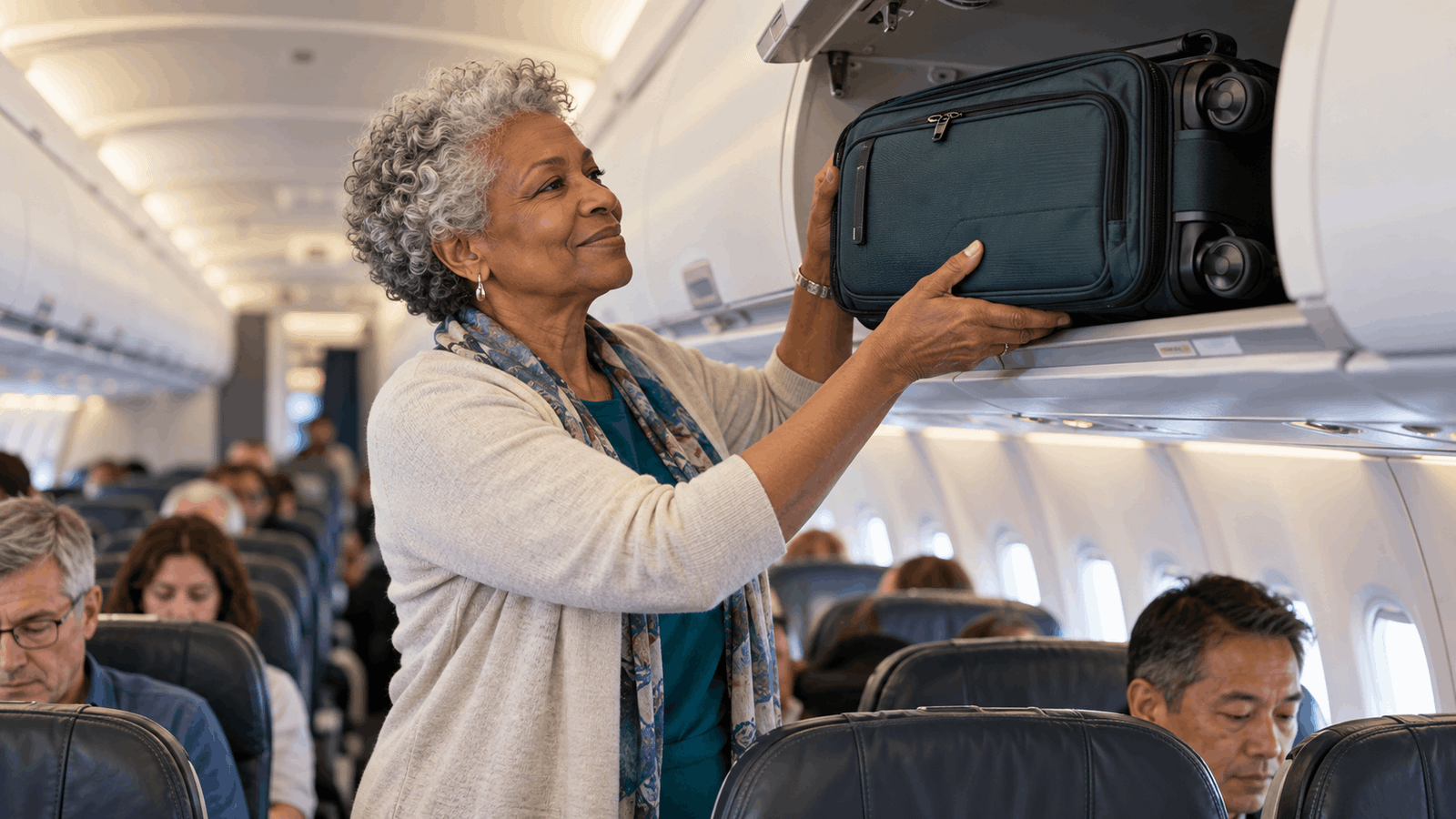
Eventually, I left the United States with a carry-on bag, a one-way ticket, and a quiet hope that maybe there was another way to grow older. I learned quickly that traveling lighter makes slow travel feel less overwhelming, especially when you are moving from place to place. A dependable carry-on, a few packing cubes, and simple travel essentials can make the transition much easier.
Not smaller.
Not invisible.
Not exhausted.
Just slower. Freer. More awake.
And that is what slow travel began to teach me.
I Wasn’t Looking for a Cure. I Was Looking for a Different Life.
When people talk about wellness after 50, the conversation often turns quickly to illness, medication, symptoms, or prevention.
Those conversations matter.
But that was not my story.
I did not leave because I had a major health issue. I did not move abroad because I was trying to recover from a diagnosis. I was not looking for a medical solution.
I was looking for breathing room.
I was looking for mornings that did not begin with pressure.
I was looking for days that did not feel like one long race from obligation to obligation.
I was looking for a life where I could hear myself think again.
In the U.S., I had started feeling like life was becoming too predictable in the worst kind of way. Every year seemed to carry the same rhythm. Work harder. Keep up. Pay more. Do more. Plan for someday.
But someday kept moving farther away.
And I started to wonder what would happen if I stopped waiting for a perfect time to live differently.
What if later life did not have to be about winding down?
What if it could be about waking up?
That is the question that led me to slow travel.
The Hustle Was Familiar, But It Wasn’t Fulfilling Anymore
For many years, I lived inside the rhythm most of us are taught to accept.
You work. You build. You produce. You keep going.
And to be clear, there is dignity in work. There is pride in responsibility. There is value in building a life.
But there is also a point where you begin to ask whether the life you built still fits the person you are becoming.
That was where I found myself.
I was not falling apart.
I was not in crisis.
I was simply tired of feeling like life was something I had to keep chasing.
There was always another task. Another goal. Another bill. Another obligation. Another reason to postpone joy.
And I did not want to spend the rest of my life working myself to the bone, hoping I would still have enough energy left one day to enjoy what I had been working for.
That is a quiet fear many people over 50 carry.
They may not say it out loud.
But they feel it.
They wonder if they waited too long.
They wonder if they are allowed to want something different.
They wonder whether choosing a slower life makes them irresponsible, unrealistic, or selfish.
I wondered some of those things too.
But eventually, the bigger fear was not leaving.
The bigger fear was staying in a life that no longer felt like mine.
Slow Travel Did Not Give Me Peace Immediately
I wish I could say everything changed the moment I stepped off the plane.
It did not.
That would make a nice story, but it would not be the truth.
At first, slow travel was still an adjustment. New countries. New cities. New languages. New foods. New rules. New ways of doing simple things.
Even ordinary tasks could feel complicated.
Finding a place to stay. Figuring out transportation. Understanding visa rules. Learning how to order food. Finding the market. Getting used to being the stranger. Having a few practical tools in place — like reliable phone data, basic travel insurance, and a place to stay for the first few weeks — can make those early days feel much less stressful.
There were moments when I wondered what I had gotten myself into.
But slowly, something began to shift.
Not all at once.
Not dramatically.
More like a soft loosening.
I started to notice that I was no longer waking up with the same pressure in my chest.
I started to notice that my days had more space in them.
I started to notice that I was sleeping differently.
I was not chasing the clock in the same way.
I was not running after life.
I was living inside it.
That difference matters.
I Began Sleeping Like My Body Finally Trusted the Day
One of the first changes I noticed was my sleep.
Not immediately, but gradually.
As I moved through places like Chiang Mai, Kuala Lumpur, Da Nang, Hanoi, Ho Chi Minh City, Phnom Penh, Sihanoukville, Da Lat, and eventually Vung Tau, my body began responding to the slower rhythm.
I was not rushing out the door every morning.
I was not measuring every hour by how productive I had been.
I was not ending each day feeling that I still had not done enough.
Over time, my body seemed to understand that it did not have to stay on high alert.
I began sleeping more naturally.
I began waking up with less urgency.
I began to feel that rest was not something I had to earn.
That was a big shift for me.
Because in a hustle-driven life, rest often feels like a reward. Something you get after everything else is finished.
But everything is never finished.
There is always something else to do.
Slow travel taught me that rest is not a luxury after 50.
It is part of living well.
I Had Less Stress Because I Was No Longer Chasing the Same Life
The stress did not disappear because life became perfect.
Life abroad is not perfect.
There are still problems. There are still inconveniences. There are still confusing days, language barriers, unexpected costs, and moments of uncertainty.
But the stress felt different.
It was no longer the deep, grinding stress of living a life that felt too fast for my spirit.
That is the stress I had grown tired of.
The stress of always keeping up.
The stress of doing the same thing year after year and wondering why it still did not feel like enough.
The stress of feeling like life was passing while I was busy maintaining it.
Slow travel interrupted that pattern.
It gave me a different rhythm.
Instead of racing through the week, I began noticing my days.
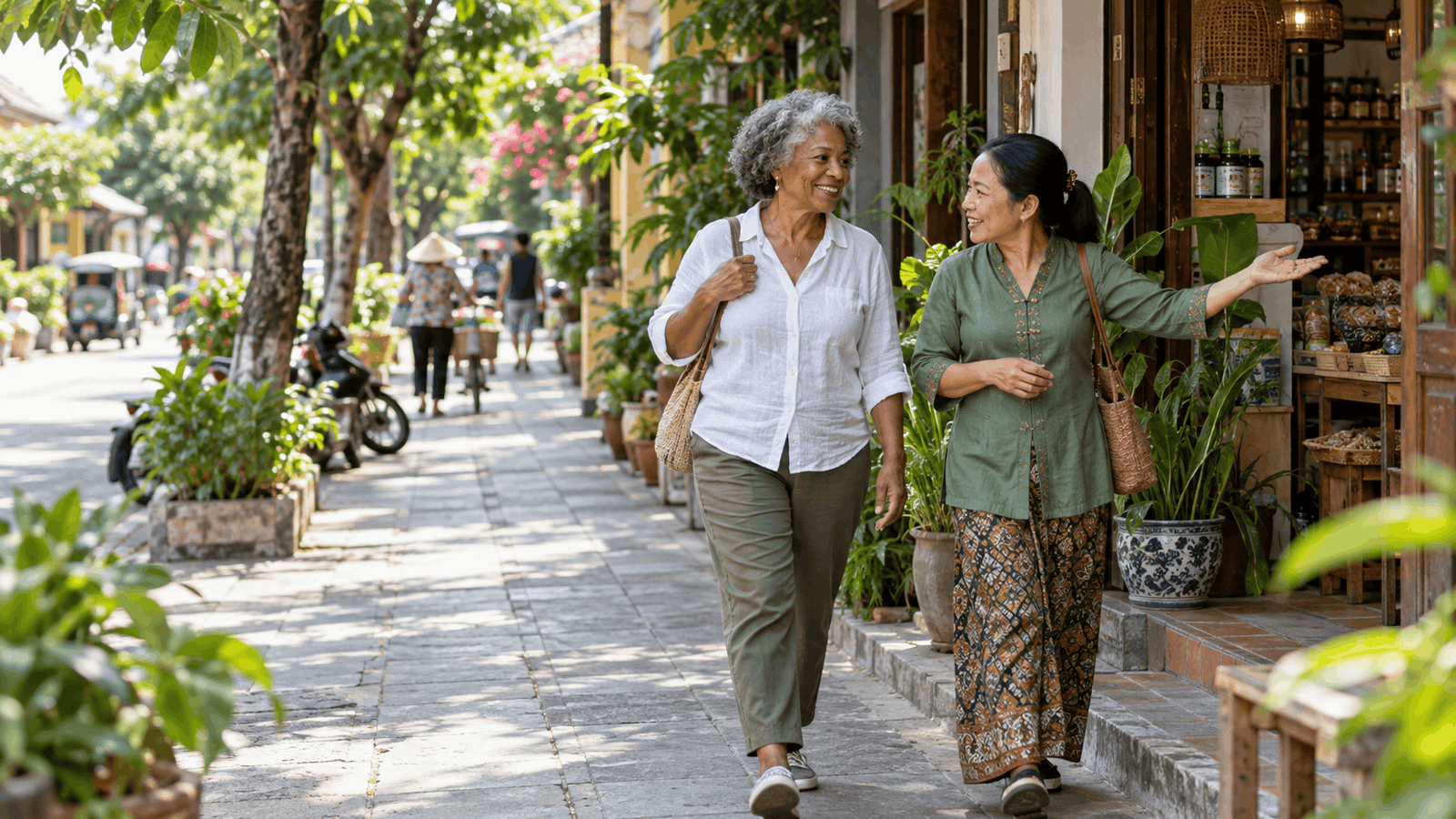
A morning walk to the market.
A cup of coffee without rushing.
A conversation with someone, even when we did not share much language.
A new street.
A new fruit.
A new view from a balcony.
A slower afternoon.
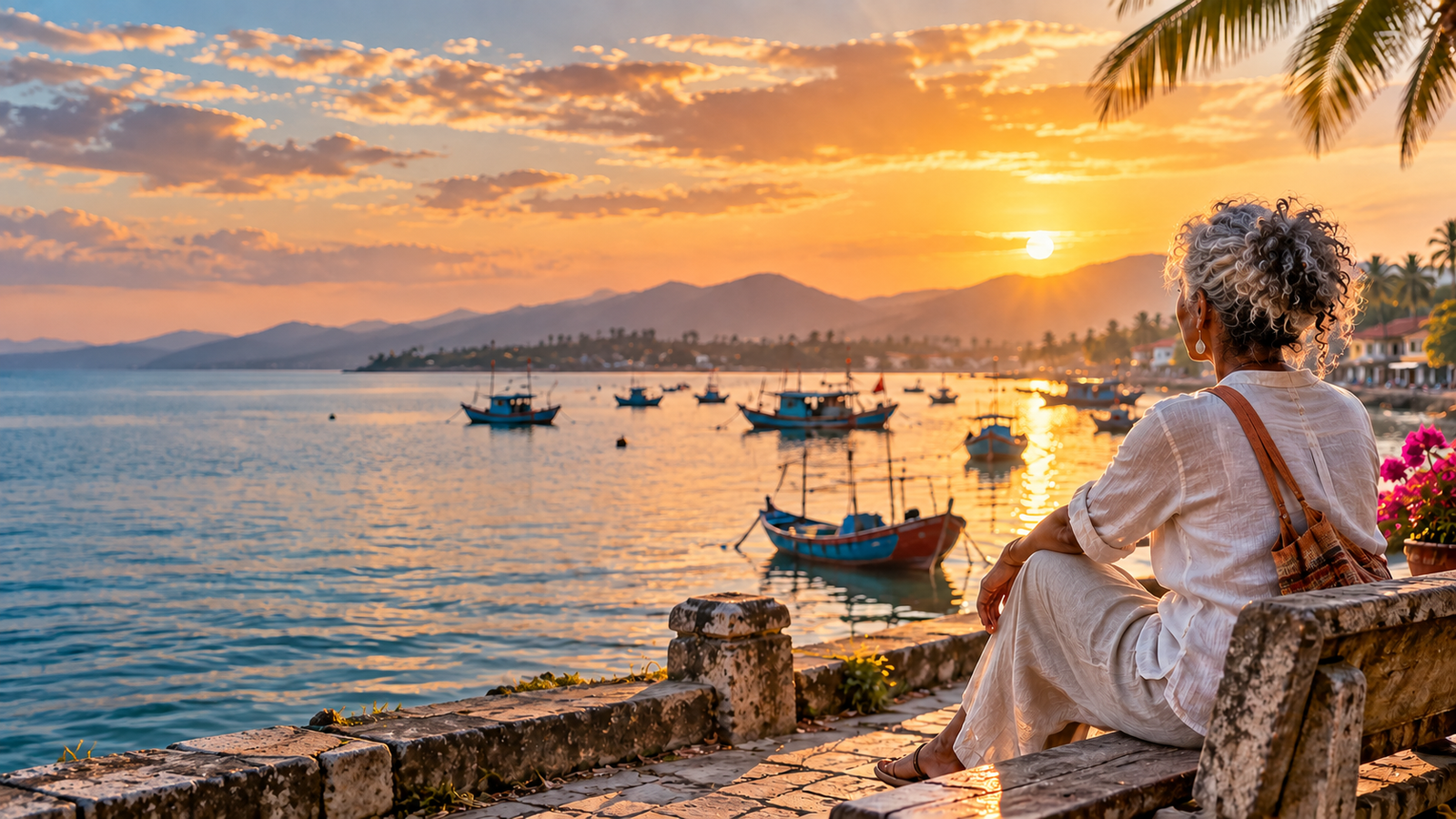
A sunset I actually stopped to watch.
None of those things sounds dramatic.
But together, they changed the way my life felt.
The Wellness Was in the Pace, Not the Perfection
This is where the wellness part of the story still belongs.
Not because slow travel fixed a health problem.
But living at a gentler pace changed how I experienced my own life.
Wellness after 50 is not only about lab numbers, medications, meal plans, or exercise routines.
Sometimes wellness is about not feeling hunted by your own schedule.
Sometimes it is about waking up without dread.
Sometimes it is about having enough time to walk instead of rushing.
Sometimes it is about eating a simple meal slowly instead of standing over the sink between tasks.
Sometimes it is about realizing you are allowed to want peace before life forces you to slow down.
That is what slow travel gave me.
It gave me permission to stop treating life like a race.
And maybe more importantly, it showed me that I did not need the same life I had been told to want.
I could choose something else.
I Started Feeling Present Again
One of the most surprising gifts of slow travel was presence.
In my old rhythm, I was often physically in one place but mentally already on the next thing.
The next errand.
The next deadline.
The next bill.
The next responsibility.
The next problem to solve.
Slow travel made it harder to live that way.
When you are in a new country, you have to pay attention.
You notice where you are walking. You notice how people move through the day. You notice the sounds from the street, the smells from food stalls, and the way the light changes in the late afternoon.
I started carrying a small day bag with just the basics — phone, water, tissues, a little cash, and space to notice the day instead of rushing through it.
You notice your own reactions too.
What makes you nervous?
What makes you curious?
What makes you feel alive again?
That kind of presence is its own form of healing, even if you were not sick to begin with.
It brings you back to yourself.
And after years of pushing through life, being brought back to yourself can feel like a quiet miracle.
I Realized Later Life Could Be Expansive
One of the biggest lies we absorb about aging is that life naturally becomes smaller.
Smaller dreams.
Smaller risks.
Smaller expectations.
Smaller possibilities.
But slow travel showed me something different.
After 50, life can still expand.
You can still learn a new city.
You can still figure things out.
You can still surprise yourself.
You can still become the kind of person who says yes to a life other people may not understand.
That does not mean it is always easy.
There are lonely moments. Frustrating moments. Moments when you miss familiar things. Moments when you wonder if you are brave or just slightly out of your mind.
But there are also moments when you realize you are more capable than you thought.
And that realization changes you.
Not because everything is effortless.
But because you discover that you can still adapt.
You can still begin again.
You can still build a life that feels honest.
What Changed for Me?
The changes in me were not dramatic overnight transformations.
They were quieter than that.
But they were real.
I began sleeping better.
I felt less stressed.
I stopped feeling like I was constantly chasing something.
I became more present in my days.
I felt more connected to the world around me.
I gave myself permission to live with more softness.
I started to believe that peace did not have to wait until everything was settled, paid off, figured out, or approved by someone else.
That may be the biggest change of all.
I stopped postponing my life.
You Don’t Have to Be in Crisis to Want Something Different
This is important.
You do not have to be sick to want a slower life.
You do not have to be broken to want change.
You do not have to be burned all the way out before you are allowed to choose something gentler.
Sometimes the desire for a different life starts quietly.
You wake up one day and realize you are tired of the same routine.
You look at your calendar and feel no excitement.
You think about the years ahead and wonder if they are going to look exactly like the years behind you.
You feel a pull toward something you cannot fully explain yet.
That pull matters.
It may be your life asking for more honesty.
More space.
More meaning.
More room to breathe.
For me, slow travel became the doorway into that kind of life.
Not perfect.
Not always peaceful.
Not without challenges.
But more aligned with who I am now.
The Slower Life I Found Through Slow Travel After 50
When I look back, I realize I was not just leaving a country.
I was leaving a pace.
I was leaving the belief that my value was tied to how hard I worked, how much I produced, or how well I kept up.
I was leaving the idea that later life had to be a long stretch of repetition.
I wanted a better life.
A slower life.
A life where I could still feel curious, awake, and connected.
And little by little, as I moved from place to place, I found it.
Not all at once.
Not perfectly.
But enough to know I had made the right choice.
Slow travel changed my relationship with life after 50 because it helped me stop chasing a version of success that no longer fit.
It helped me listen to the part of me that wanted peace.
It helped me understand that aging does not have to mean shrinking.
Sometimes, it means finally telling the truth about what you want.
And then being brave enough to follow it.
Could Moving Abroad Be Part of Your Next Chapter?
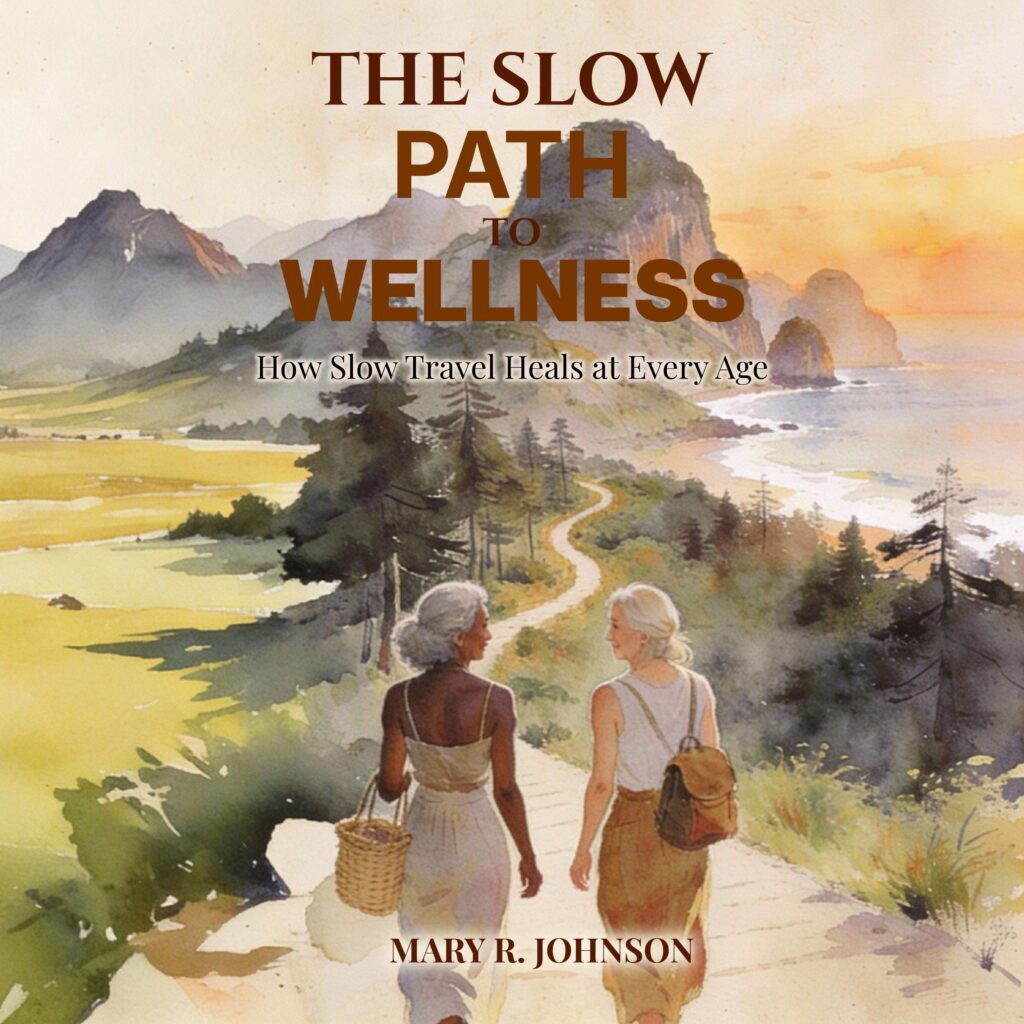
If this story stirred something in you, my book, The Slow Path to Wellness: How Slow Travel Heals at Every Age, goes deeper into the emotional and practical side of choosing a slower life after 50.
And if you are starting to wonder whether life abroad could be right for you, start with my free Moving Abroad Assessment.
It will help you reflect on your readiness, concerns, lifestyle needs, and whether a slower, more intentional life abroad might be a good fit for this season of your life.
Your next chapter does not have to look like your last one.
Subscribe
Please join our newsletter team and receive my weekly email, where I share honest reflections, practical tips, slow travel lessons, and real stories from wherever I happen to be in the world.
Your slower, more intentional chapter is waiting.
Let’s find it together.
Affiliate Disclaimer:This post may contain affiliate links, which means I may earn a small commission if you make a purchase — at no extra cost to you. I only recommend products and services I genuinely believe in and think you’ll love. Thank you for supporting Traveling Savvy Seniors!