Slow travel anti-aging benefits are real, research-supported, and within reach for adults 50+ — and most people have never considered this approach.
The slow travel anti-aging connection is both intuitive and research-supported.
What if the secret to aging well wasn’t found in a supplement bottle, a strict diet protocol, or a high-end wellness retreat — but in a one-way ticket and a willingness to slow down?
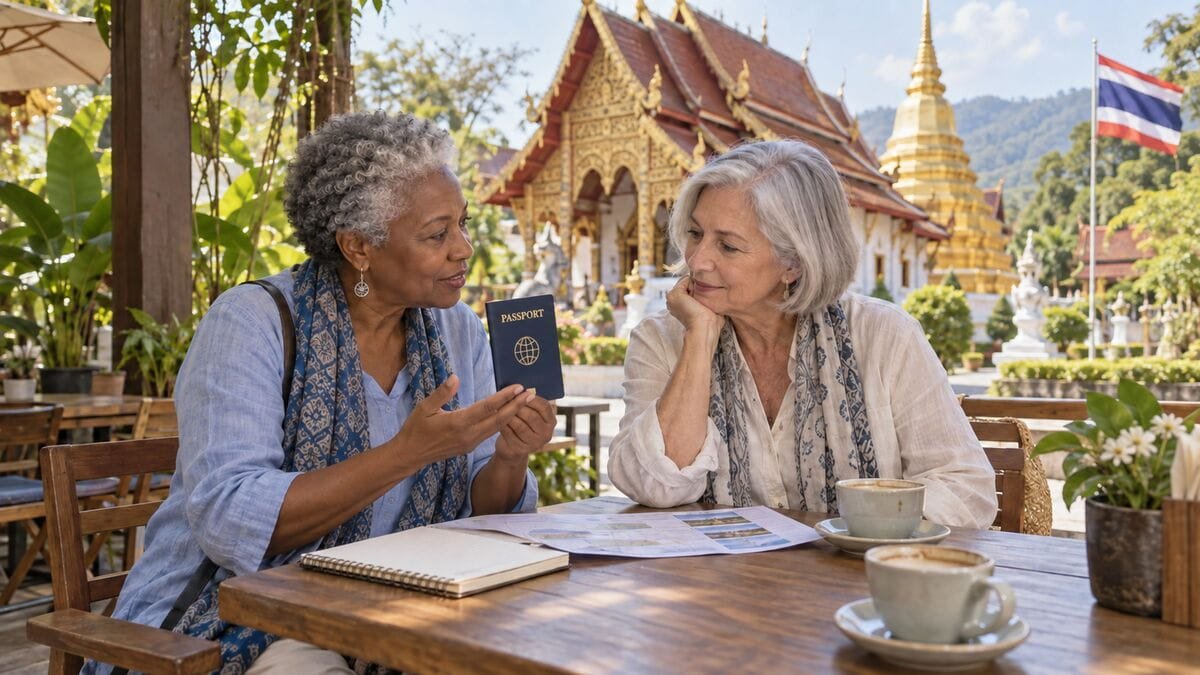
I know that sounds like a bold claim. But after a time of slow travel through Vietnam, Thailand, and Malaysia — living in local neighborhoods, eating fresh food from morning markets, walking everywhere, and building new connections along the way — I can tell you from personal experience that slow travel changes you at a cellular level.
And the science is starting to back that up.
If you’re over 50 and wondering whether travel is still “for you,” or whether the window for that kind of adventure has passed, I want to challenge that assumption directly. Slow travel isn’t just a lifestyle choice. For many of us, it may be the most comprehensive anti-aging strategy we’ve ever tried.
Here’s why.
What Is Slow Travel, Exactly?
Before we get into the anti-aging benefits, let’s define what slow travel actually is — because it’s often misunderstood.
Slow travel is not backpacking. It’s not rushing through ten countries in two weeks. And it’s definitely not the exhausting, jet-lagged, suitcase-dragging kind of travel that leaves you needing a vacation from your vacation.
Slow travel means staying in one place long enough to actually live there. Renting an apartment instead of booking a hotel. Shopping at the local market. Getting to know your neighbors. Falling into a rhythm that feels less like tourism and more like a life — just in a different location.
For adults 50 and over, this approach isn’t just more comfortable. It’s genuinely better for your health.
1. Slow Travel Dramatically Reduces Chronic Stress
Chronic stress is one of the most well-documented accelerators of biological aging. It raises cortisol levels, disrupts sleep, promotes inflammation, and has been linked to everything from heart disease to cognitive decline.
Here’s what most people don’t realize: a significant portion of that chronic stress is environmental. The relentless pace of American life — the traffic, the news cycle, the financial pressure, the overscheduled calendar — creates a background hum of stress that many of us have simply accepted as normal.
When you slow travel, that hum gets quieter.
I noticed it within the first few weeks of living in Vietnam. There was no commute. No obligations I hadn’t chosen. My mornings belonged to me. The pace of daily life was gentler, more human-sized. And my nervous system responded accordingly.
Less chronic stress means less inflammation. Less inflammation means slower cellular aging. It really can be that straightforward.
2. You Walk — A Lot — Without Thinking of It as Exercise
One of the most consistent findings in longevity research is that daily, moderate movement — not intense gym workouts, but consistent low-level activity — is one of the strongest predictors of healthy aging.
Slow travelers walk. Constantly and naturally.
When you live in a walkable city abroad — like Da Lat, Chiang Mai, or Hoi An — you walk to the market, to the café, to the pharmacy, to the street food stall around the corner. You walk because it’s the most sensible way to get around, not because you’ve committed to a fitness routine.
This kind of incidental, purposeful movement is exactly what researchers point to when they study the longevity habits of the world’s Blue Zone populations. It’s not structured exercise — it’s a life that requires you to move.
For seniors who struggle to maintain gym habits at home, a walkable city abroad can be genuinely transformative. The movement happens without effort because it’s built into the environment.
This is the slow travel anti-aging formula at its most effortless — movement built into your day without a gym membership.
3. The Food Quality Is Incomparable
Let me be direct about something: the food available in most Southeast Asian countries — fresh, local, minimally processed, abundant in vegetables and herbs — is dramatically different from what the average American eats at home.
In Vietnam, I eat dishes built around fresh herbs, vegetables, and simple proteins. Everything is cooked that day. Most ingredients came from a market that morning. I spend less on food than I did in the United States, and I eat better in almost every measurable way.
Chronic inflammation — driven in large part by ultra-processed food, excess sugar, and poor-quality fats — is one of the primary drivers of accelerated aging. A diet rich in fresh, whole, plant-forward food is one of the most powerful tools available for slowing that process.
Slow travel doesn’t force you onto a diet. It simply puts you in an environment where fresh, affordable, delicious whole food is the default. That shift alone is significant.
4. Cognitive Stimulation Keeps Your Brain Young
Neurologists and aging researchers consistently point to one factor as critically important for brain health as we age: novelty. Learning new things, navigating new environments, and engaging with unfamiliar situations keeps the brain active, adaptive, and resilient.
Slow travel delivers cognitive stimulation in abundance — and it does so naturally, without it feeling like homework.
Learning a few words of Vietnamese. Figuring out how to get around a new city. Understanding local customs. Navigating a market where the signs aren’t in English. Reading a new cultural context. Building new friendships from scratch.
All of it is brain exercise. And unlike crossword puzzles or brain training apps, it comes wrapped in a life that is interesting, meaningful, and deeply engaging.
I’m currently learning Vietnamese — one of the most tonally complex languages in the world. Is it hard? Absolutely. But the cognitive effort itself is part of what makes this stage of life feel so alive.
5. Social Connection: The Longevity Factor We Underestimate
Loneliness is now recognized as a significant health risk — comparable in impact to smoking, according to some research. Social isolation accelerates cognitive decline, weakens the immune system, and contributes to depression, which itself accelerates biological aging.
For many American seniors, social connection quietly erodes as children leave home, careers end, and communities thin out.
Slow travel creates an unexpected antidote to this.
The expat community abroad is warm, welcoming, and genuinely international. When you arrive in a new place as a slow traveler, you almost immediately find yourself surrounded by people who made a similar unconventional choice — and that shared context is a powerful foundation for connection.
I have met some of the most interesting, open-minded, and genuinely alive people of my life since I began slow traveling. The community finds you when you show up.
6. A Renewed Sense of Purpose Changes Everything
Perhaps the most underappreciated anti-aging factor of all is purpose — the feeling that your days are meaningful, that you are growing, that life is still full of possibility.
Research on aging consistently shows that a strong sense of purpose is associated with longer life, better cognitive health, and greater resilience to illness and adversity.
Slow travel gives you something to be curious about every single day. A new neighborhood to explore. A language to practice. A relationship to deepen. A meal to discover. A problem to solve with creativity rather than frustration.
The opposite of aging isn’t youth. It’s stagnation. And slow travel is, by its very nature, the opposite of stagnation.
How to Start Your Slow Travel Anti-Aging Journey?
If you’re intrigued by the idea of slow travel as a wellness strategy but not sure how to begin, the most important thing I can tell you is this: start with curiosity, not commitment.
You don’t need to sell your house, commit to a year abroad, or have everything figured out before you take a first step. You just need enough information to take that first step with confidence.
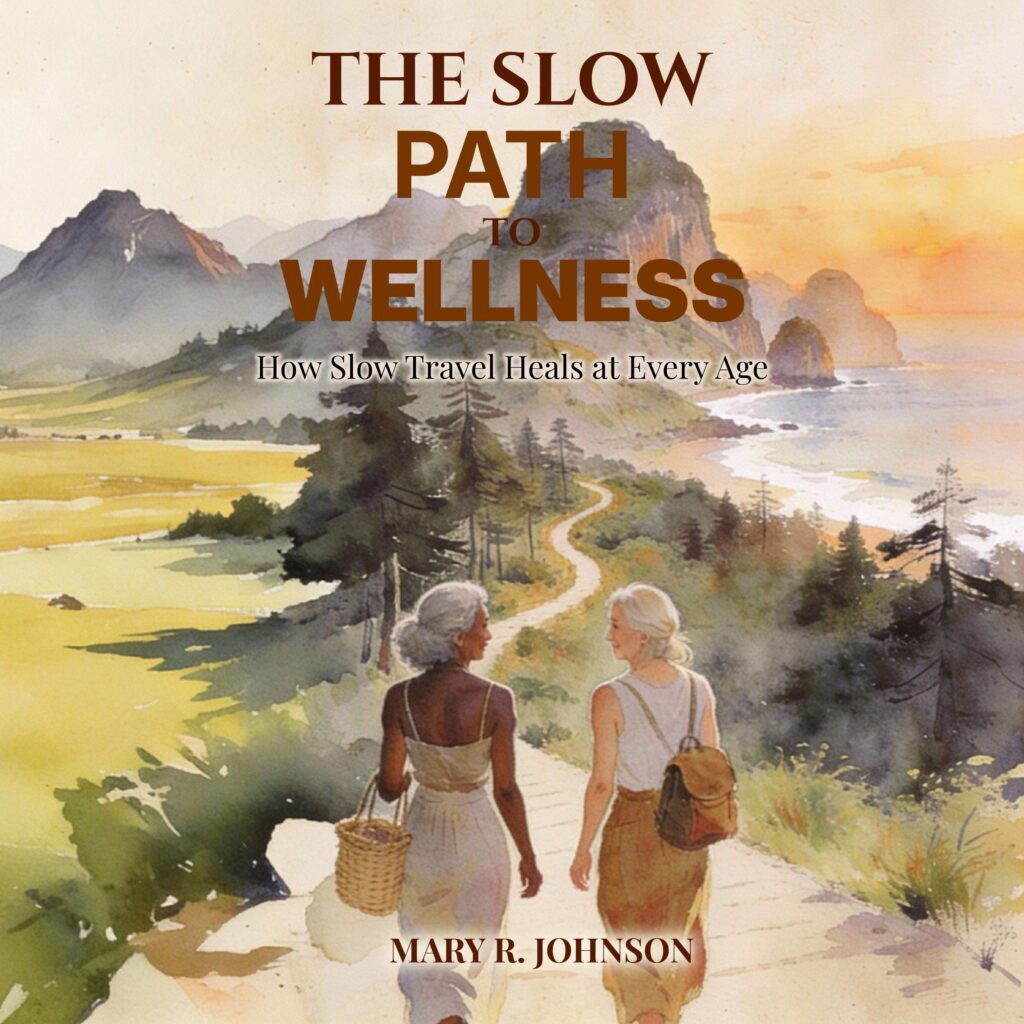
That’s exactly why I wrote The Slow Path to Wellness: How Slow Travel Heals at Every Age — to give you the honest, practical, and deeply personal roadmap that I wish I’d had when I started. It covers the wellness science, the practical logistics, and the emotional journey of choosing a slower, richer way of living abroad.
And if you’re considering a specific destination — Vietnam, Thailand, or Malaysia — my Know Before You Go Report gives you a senior-specific, lived-experience assessment of exactly what life looks and feels like on the ground, before you book a thing.
Because the best anti-aging strategy you’ve never tried is waiting. And it starts with knowing what’s actually possible.
The Slow Travel Anti-Aging Bottom Line
Slow travel reduces chronic stress, increases daily movement, improves diet quality, stimulates the brain, deepens social connection, and restores a sense of purpose. These are not small things. They are the exact factors that researchers point to again and again when they study why some people age slowly, vibrantly, and well.
You don’t need to be wealthy, fearless, or in perfect health to try this. You just need to be open to the possibility that your best years might be lived somewhere you haven’t been yet.
Are you curious about slow travel as a wellness strategy? Drop a comment below, or explore more at travelingsavvyseniors.com.
Embracing slow travel anti-aging as a lifestyle strategy may be the most meaningful investment you make in your health after 50.
Mary is the founder of Traveling Savvy Seniors and the author of The Slow Path to Wellness: How Slow Travel Heals at Every Age. She has lived as a slow traveler in Vietnam, Thailand, and Malaysia and writes about wellness, relocation, and the art of traveling well after 50.