Travel has a way of expanding our lives. It introduces us to new cultures, new friendships, and new perspectives that often stay with us forever. But for many people living with limited mobility—whether due to injury, disability, or simply the natural changes that come with age—travel can sometimes feel intimidating or even impossible.
The truth is that meaningful travel experiences are still completely within reach. In fact, many travelers discover that mobility limitations lead them toward a richer and more fulfilling style of travel—one that focuses on depth, connection, and intentional living.
Instead of rushing through destinations, travelers begin to embrace a slower pace, thoughtful planning, and a more intentional travel lifestyle that prioritizes comfort, accessibility, and authentic experiences.
Whether you dream of exploring a new city, spending a season abroad, or even embracing a retire abroad travel lifestyle, traveling with limited mobility simply requires a different approach—not the end of adventure.
Why Slow Travel Is Ideal for Travelers with Limited Mobility
One of the most powerful shifts that can happen when mobility changes is the move toward a slower, more mindful way of traveling. Rather than trying to cram dozens of sights into a short itinerary, many travelers naturally adopt what is often called a slow-travel lifestyle-guide approach.
Slow travel emphasizes spending more time in fewer places so you can fully experience the culture, people, and daily rhythms of a destination.
According to travel experts at https://www.aarp.org/travel/, slow travel allows people to focus on enjoying the journey itself rather than racing through tourist attractions.
For travelers with mobility challenges, this approach offers several benefits:
- Less physical strain from constant movement
- More time to explore comfortably
- Deeper connections with local communities
- Reduced travel stress
Instead of hopping between cities every few days, you might spend several weeks in one destination, getting to know local cafés, parks, and neighborhoods at your own pace.
This slower rhythm often leads to far more meaningful travel experiences than traditional fast-paced tourism.
Living Abroad After 50: A Growing Trend
Many people eventually realize that if they enjoy slow travel, they may also enjoy living abroad after 50.
Spending extended time in another country removes many of the challenges associated with short vacations. You can settle into a routine, find accessible housing, and explore your surroundings gradually rather than feeling pressured to see everything quickly.
Countries like Portugal, Spain, Thailand, and Vietnam have become especially popular with retirees because they offer a lower cost of living, welcoming communities, and excellent healthcare options.
Websites such as https://www.numbeo.com/ can help travelers compare cost-of-living differences between countries when exploring relocation possibilities.
For many people, the combination of affordability, lifestyle flexibility, and cultural discovery creates the perfect environment for a fulfilling retirement abroad.
Thinking About Living Abroad After 50?
Take the Moving Abroad Assessment
If you’re wondering whether living overseas might actually be possible for you, my Moving Abroad Assessment can help you evaluate the lifestyle, financial, and practical considerations before making a decision.
Accessibility Is Improving Around the World
While accessibility challenges still exist in some destinations, many cities have made significant improvements in recent years.
Places such as Barcelona, Singapore, and Lisbon have invested heavily in accessible public transportation, smoother sidewalks, and improved infrastructure.
Travelers can now find:
- Wheelchair-accessible metro systems
- Elevators in major transit hubs
- Accessible taxis and ride services
- Step-free museum entrances
- Improved pedestrian walkways
Resources like https://wheelmap.org/ even allow travelers to locate accessible public places worldwide.
While research is still essential, accessibility options are expanding every year.
Planning Ahead Makes Travel Much Easier
Careful preparation can make the difference between a stressful trip and a relaxing adventure.
When planning travel with limited mobility, focus on these key areas:
Transportation
Research airports, train stations, and public transit systems in advance. Many offer mobility assistance services that can help passengers navigate large terminals comfortably.
Accommodations
Look for properties that include:
- Elevators
- Step-free entrances
- Walk-in showers
- Wide doorways
- Ground-floor rooms
Platforms such as Airbnb offer accessibility filters that allow travelers to search for specific features, such as step-free entry or accessible bathrooms.
However, those filters still require travelers to sort through hundreds of listings and verify details themselves.
This is where personalized travel planning can make a huge difference.
How Personal Travel Planning Simplifies Accessibility
One of the biggest challenges travelers face when mobility is limited is verifying whether accommodations truly meet their needs.
Photos and descriptions online don’t always tell the full story.
Through our personal travel planning service, we work directly with clients to identify accommodations that genuinely match their accessibility requirements.
Instead of relying solely on search filters, we help travelers locate properties that offer features like:
- Step-free entrances
- Accessible bathrooms with walk-in showers
- Elevators or ground-floor units
- Comfortable neighborhoods with minimal hills
- Easy access to transportation and healthcare
While platforms like Airbnb provide basic accessibility filters, our planning service takes it several steps further by helping clients evaluate destinations, housing, transportation options, and daily lifestyle needs.
For travelers embracing a slow-travel lifestyle or exploring a long-term stay abroad, this type of personalized planning can remove a tremendous amount of stress.
Turn Your Travel Dreams Into a Plan
Book a Slow Start Strategy Session
If you’re feeling inspired by the idea of slow travel but aren’t sure how to start planning, a Slow Start Strategy Session can help you map out a realistic path toward long-term travel or living abroad.
Choosing Destinations That Work for You
When mobility is limited, destination choice becomes especially important.
Some factors to consider include:
- Terrain (flat vs. hilly cities)
- Public transportation accessibility
- Healthcare availability
- Climate and temperature
- Cost of living
For example, many travelers appreciate the flat walkable areas of Bangkok and the strong public transportation system in Singapore.
Meanwhile, coastal cities often offer beautiful scenery and relaxing environments, ideal for slow-paced living.
Selecting the right destination can transform travel from exhausting to energizing.
Travel Gear That Can Make a Big Difference
The right equipment can significantly improve comfort and independence while traveling.
Here is some helpful gear we recommend:
- Lightweight folding wheelchairs
- Travel-friendly mobility scooters
- Ergonomic walking canes
- Compression socks for long flights
- Portable seat cushions
Many travelers find these items through online retailers like Amazon, where reviews help identify reliable products.
Simple adjustments in travel gear often make exploring new places far more comfortable.
Travel for Personal Growth
Travel is about much more than sightseeing. It challenges us, teaches us patience, and broadens our understanding of the world.
For many people, traveling with limited mobility becomes a powerful form of travel for personal growth.
Each journey builds confidence and reinforces the belief that physical limitations do not define what we can experience in life.
Travelers often discover new strengths such as:
- Adaptability
- Problem-solving skills
- Cultural awareness
- Personal resilience
The lessons learned while traveling often extend far beyond the trip itself.
Long-Term Travel Planning Creates Freedom
Many people eventually move beyond occasional vacations and begin exploring long-term travel planning as a lifestyle.
This may involve spending several months in different destinations each year or establishing seasonal homes abroad.
Long-term travel allows you to:
- Explore destinations slowly
- Establish routines
- Build friendships with locals
- Reduce travel fatigue
- Experience daily life rather than tourism
Over time, many travelers naturally transition into an intentional travel lifestyle built around curiosity, flexibility, and personal fulfillment.
The World Is More Accessible Than You Think
Traveling with limited mobility does require thoughtful planning, but it does not mean giving up on exploration.
In many ways, slowing down can lead to richer and more fulfilling journeys.
When you focus on:
- meaningful travel experiences
- thoughtful destination choices
- comfortable accommodations
- intentional travel planning
the world becomes far more accessible than it might first appear.
Whether you’re planning a short getaway, exploring living abroad after 50, or designing a full retire abroad travel lifestyle, the key is to approach travel with patience, creativity, and curiosity.
And if you’d like help designing a trip that matches your accessibility needs, comfort level, and travel goals, our personal travel planning services can help simplify the process—from identifying accessible accommodations to creating itineraries that support a relaxed and rewarding journey.
Because adventure doesn’t belong only to the fastest travelers.
Sometimes the most extraordinary discoveries happen when we simply slow down and experience the world in a more intentional way.
A Resource to Help You Plan Your Next Chapter of Travel
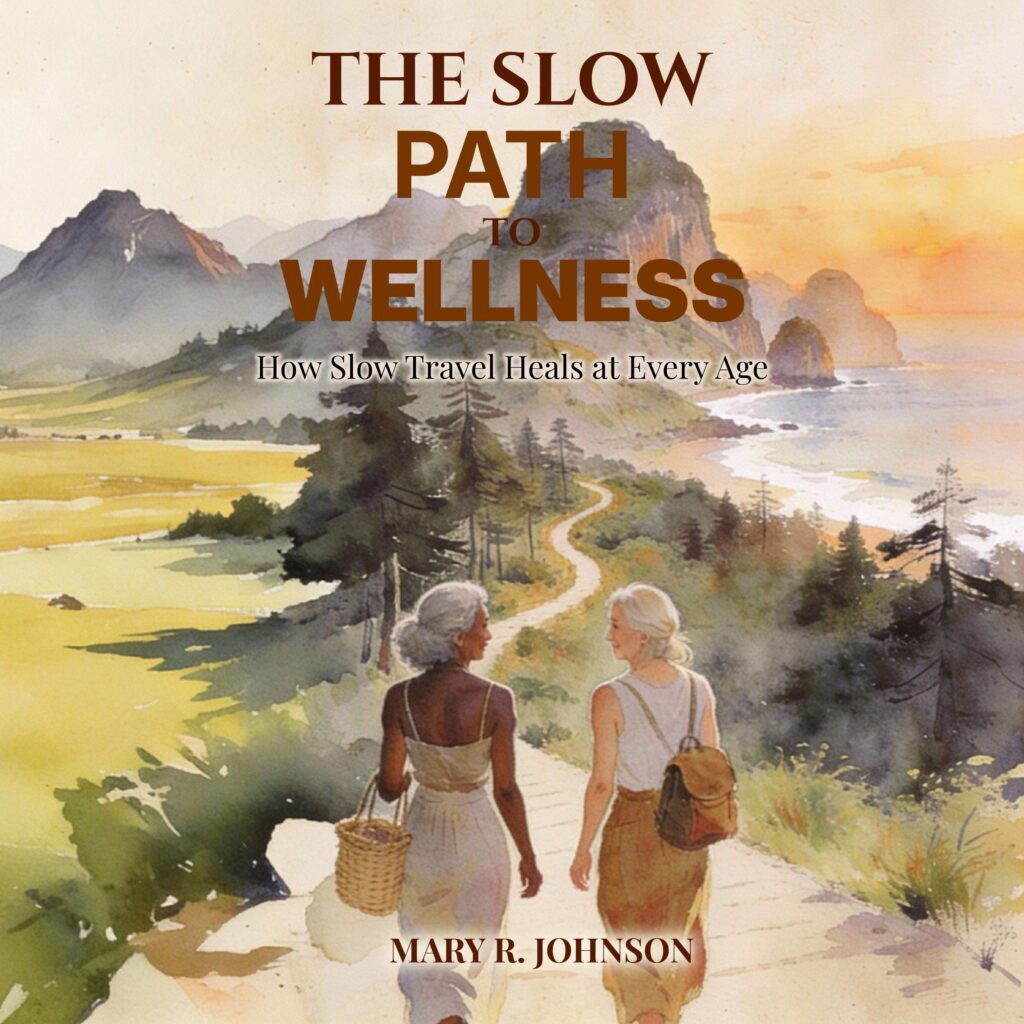
If you’re dreaming about traveling more intentionally—or even exploring the possibility of living overseas—my book, The Slow Path to Wellness: How Slow Travel Heals at Every Age, was written specifically with that journey in mind. It dives deeper into the philosophy behind crafting a slow-travel lifestyle guide, embracing meaningful travel experiences, and designing a life centered on curiosity, flexibility, and personal fulfillment. The book also explores practical steps for long-term travel planning, choosing destinations that fit your comfort level, and navigating the emotional side of living abroad after 50. For readers who want to move beyond short vacations and start thinking about a retire abroad travel lifestyle, it provides both inspiration and realistic guidance for creating a life where travel becomes part of everyday living rather than something reserved for occasional trips. Explore the book HERE.